
Looking to boost your home’s insulation without blowing your renovation budget?
Choosing the right material can save you hundreds of dollars—if you know what to look for.
In this clear, straightforward guide, we break down the real aluminum vs vinyl storm windows price comparison, factoring in upfront costs, durability, and long-term energy savings so you can make the smartest investment for your home.
Let’s get straight to the numbers.
Quick Price Comparison: Aluminum vs. Vinyl Storm Windows at a Glance
Vinyl generally offers a lower initial entry price with built-in thermal resistance, while aluminum demands a slightly higher upfront investment in exchange for superior structural rigidity and longevity.
Average Material Cost per Window
Material costs vary depending on frame engineering, glass thickness, and track design:
- Budget Tier:
- Vinyl: $75 – $120 per unit (standard single-strength glass, basic two-track)
- Aluminum: $90 – $150 per unit (standard mill-finish or basic painted frame)
- Mid-Range Tier:
- Vinyl: $130 – $220 per unit (multi-chambered frame, double-strength glass)
- Aluminum: $160 – $280 per unit (extruded aluminum, baked-on enamel, triple-track)
- Premium Tier:
- Vinyl: $230 – $350+ per unit (heavy-duty composite reinforcement, Low-E glass)
- Aluminum: $300 – $450+ per unit (thermally broken frames, architectural custom sizing, Low-E coatings)
Average Professional Installation Cost per Unit
Professional labor to install exterior storm panels typically ranges from $45 to $110 per window. Installation costs depend on:
First-floor vs. upper-story window accessibility
Condition of the existing blind stop and exterior window casing
Caulking, perimeter sealing, and custom leveling requirements
Total Installed Cost Comparison Table
Below is the total estimated cost (materials plus professional installation) across standard residential window dimensions:
| Window Size (Width x Height) | Vinyl Storm Window (Installed) | Aluminum Storm Window (Installed) |
|---|---|---|
| Small (24" x 36") | $130 – $230 | $150 – $270 |
| Standard (32" x 54") | $180 – $320 | $220 – $380 |
| Large (36" x 72") | $250 – $440 | $290 – $520 |
| Custom / Architectural | $330 – $500+ | $380 – $600+ |
Key Takeaway: Initial Purchase Cost vs. 20-Year Lifecycle Value
-
- Vinyl Storm Windows: Deliver immediate savings with an upfront cost that is roughly 15% to 25% lower than aluminum. They provide solid thermal insulation out of the box, making them a cost-effective choice for short- to medium-term ROI (10–15 years).
- Aluminum Storm Windows: Carry a higher starting price tag, but their extruded structural frames resist warping, sagging, and UV degradation. Over a 20- to 30-year lifecycle, aluminum delivers a lower annualized replacement cost in harsh climates and heavy-wind environments.
Detailed Price Factors: What Drives the Cost of Storm Windows?
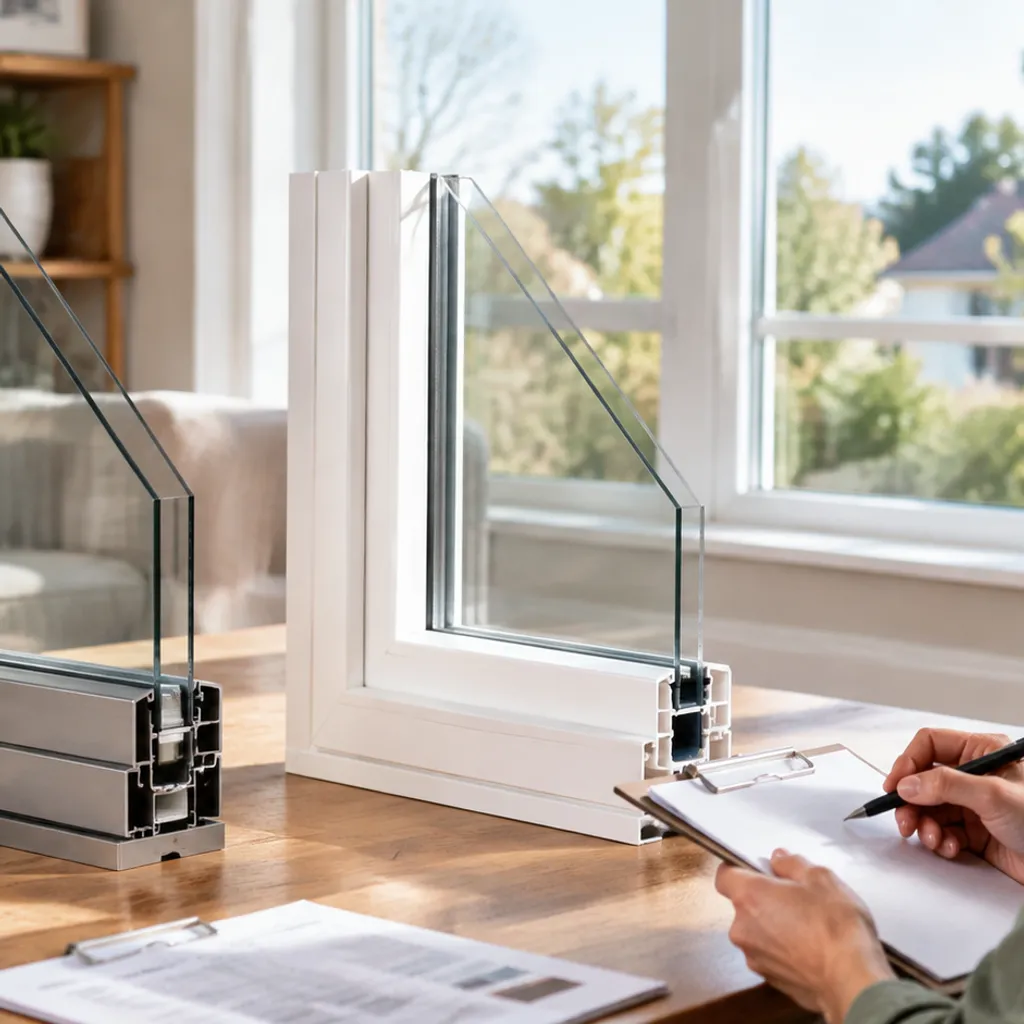
When evaluating the aluminum vs vinyl storm windows price, the base material is only one part of the total equation. Several functional and design specifications directly influence the final cost per unit.
Track Configurations and Mechanics
The mechanical design of your storm window frame dictates daily convenience, ventilation options, and total manufacturing cost:
-
- Two-Track Storm Windows: Feature an upper fixed glass panel and a lower operating glass panel alongside a screen. These offer an economical baseline price and work well for standard operating needs.
- Triple-Track Storm Windows: Contain two independently operable glass sashes and a separate screen track. This setup eliminates the need to remove or store glass panels seasonally. While two-track vs triple-track storm windows carry a modest price difference, the added metal and hardware in triple-track models slightly increase initial material costs.
- Slider Configurations: Commonly used for horizontal-sliding prime units, utilizing specialized roller tracks that add minor hardware costs.
Glass Types and Energy-Efficient Coatings
The glazing package you select directly affects both thermal retention and upfront investment:
-
- Standard Clear Glass: The baseline option providing basic air-draft protection and moderate sound reduction at the lowest upfront cost.
- Low-E Glass Upgrades: A specialized low-emissivity coating reflects radiant heat back into your home during winter and blocks solar heat gain in summer. Upgrading to a low-e glass storm windows price tier typically adds 15% to 25% per unit, but delivers significantly faster utility payback.
- Laminated and Impact Glass: Designed for severe storm zones and high-wind environments, requiring heavier framing reinforcement and specialized fabrication that positions it in the premium pricing tier.
Sizing and Custom Architectural Fabrication
Standard, off-the-shelf dimensions keep production expenses low, but non-standard window openings require bespoke manufacturing:
-
- Stock Sizes: Mass-produced to match modern standard window openings, keeping supply costs predictable.
- Custom Architectural Sizing: Older or historic openings often require precision-measured fabrication. Specifying custom-fit aluminum storm windows with screens ensures exact weather-tight perimeter seals for out-of-square openings, though custom tooling and tailored frame extrusions carry a higher price point than standard units.
- Specialty Shapes and Finishes: Arched tops, custom color-matched powder coatings, and historic trim profiles increase overall shop labor and finishing costs.
Aluminum Storm Windows: Cost, Longevity, and Value Proposition
Average Cost Breakdown
-
- Material Cost Per Unit: Standard units typically range from moderate to premium prices depending on gauge, track style, and custom glass options.
- Professional Installation Labor: Professional storm window labor costs remain straightforward, scaling with second-story access and custom sizing requirements.
- Total Installed Cost: Higher upfront than vinyl, but offset by a significantly lower annual replacement rate.
Core Strengths of Aluminum Storm Frames
-
- Unmatched Structural Rigidity: Aluminum handles structural stress effortlessly, making it ideal for large retrofits and storm protection over primary aluminum picture and fixed windows.
- Ultra-Slim Profiles: The natural strength of metal allows for narrow frames that maximize natural light and preserve original architectural character.
- Exceptional 30–40+ Year Lifespan: Aluminum resists warping, cracking, and rot, easily outlasting standard vinyl by decades under normal maintenance.
- High-Wind & Impact Resistance: Engineered to withstand severe gusts, driving rain, and flying debris in storm-prone and coastal zones.
Performance & Cost Trade-Offs
-
- Thermal Conductivity: Raw aluminum conducts heat and cold faster than vinyl. To counter this, choosing units with quality weatherstripping or integrated thermal breaks is essential for maximum energy efficiency.
- Corrosion Considerations: In coastal salt-air environments, standard untreated metal can develop oxidation or surface pitting over time unless finished with a protective anodized or baked-on powder coating.
Vinyl Storm Windows: Cost, Insulation, and Value Proposition
When comparing the aluminum vs vinyl storm windows price, vinyl is often the go-to option for homeowners prioritizing immediate upfront savings and built-in thermal efficiency.
Average Vinyl Storm Window Pricing Breakdown
-
- Material Cost per Unit: $90 – $220 (depending on size, glass thickness, and track build)
- Professional Installation Cost: $45 – $90 per window
- Total Installed Cost per Window: $135 – $310
Key Advantages of Vinyl Storm Frames
-
- Lower Initial Investment: A standard vinyl storm window cost per window typically runs 15% to 30% lower than an equivalent aluminum frame, making whole-home retrofits much easier on your budget.
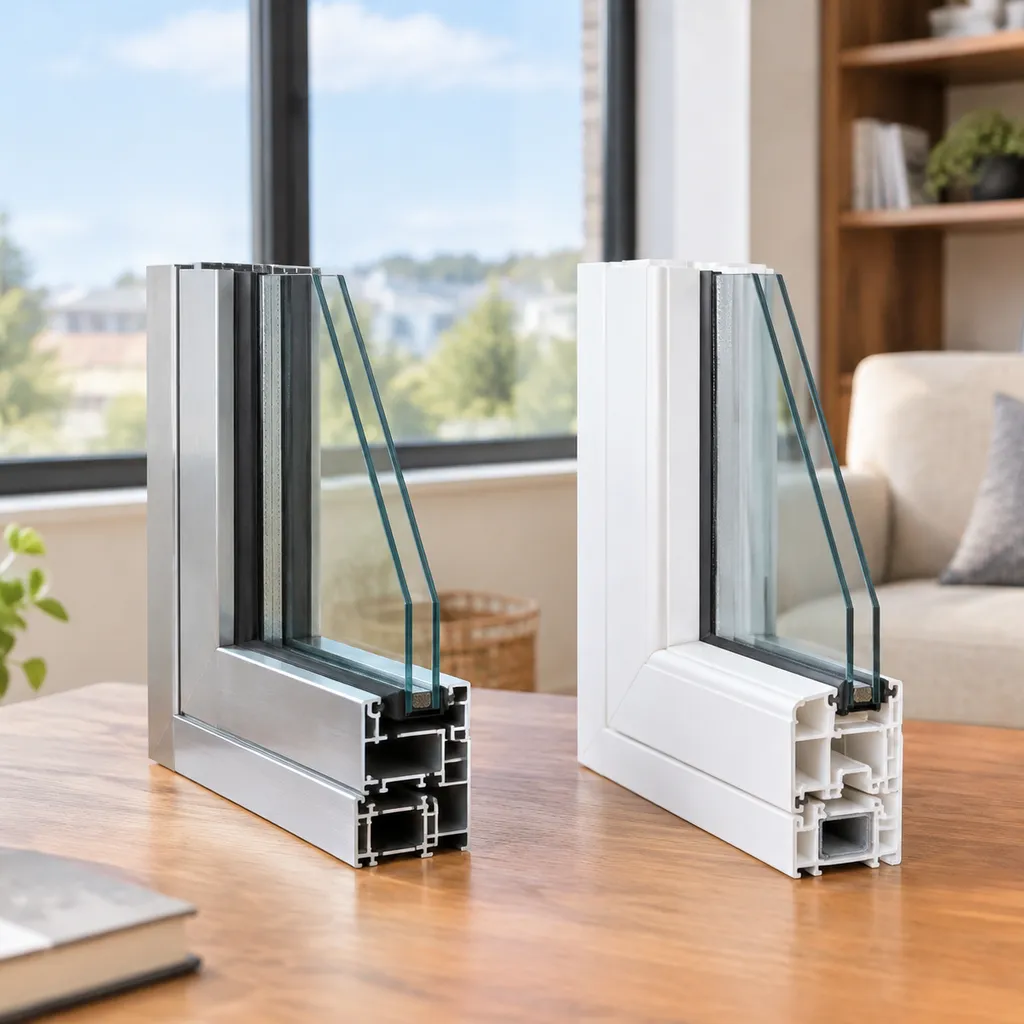
- Natural Thermal Insulation: Unlike standard metal frames, multi-chambered vinyl profiles do not conduct heat or cold easily. When evaluating energy efficiency vinyl vs aluminum, standard vinyl naturally reduces thermal bridging without requiring an added thermal break.
- Virtually Zero Surface Maintenance: The color is molded directly throughout the polyvinyl chloride (PVC) material. It will never rust, pit, peel, or require repainting over its service life.
Performance Trade-Offs to Consider
While vinyl offers appealing thermal perks at an accessible price point, it presents distinct structural trade-offs:
-
- Shorter Usable Lifespan: Expect an average service life of 15 to 20 years, compared to 30+ years for structural aluminum.
- Thermal Expansion and Warping: Vinyl expands and contracts significantly with extreme temperature swings. Over time, prolonged exposure to intense direct sunlight and UV radiation can cause frame distortion, binding sashes, or seal failure. Following proper guidelines for window installation and maintenance ensures frames are aligned correctly to minimize stress from seasonal expansion.
- Bulkier Sightlines: Vinyl requires thicker, wider frame profiles to maintain structural rigidity, which reduces total visible glass area compared to slim metal frames.
Long-Term ROI: Energy Savings, Maintenance & Lifecycle Costs
When evaluating the aluminum vs vinyl storm windows price, looking solely at sticker cost misses half the equation. The true value comes down to how much you save on monthly heating and cooling bills balanced against long-term maintenance and replacement cycles.
Thermal Performance and Utility Savings
Storm windows act as a secondary barrier against air infiltration, immediately improving your home's thermal boundary.
-
- U-Factor and Heat Loss: A lower U-Factor means better insulation. Vinyl naturally provides lower thermal conductivity across the frame, while modern aluminum systems utilize tight weatherstripping and advanced thermal breaks to deliver comparable whole-window insulation.
- Solar Heat Gain Coefficient (SHGC): Paired with Low-E glass, both materials dramatically cut summer solar heat gain, reducing AC strain during peak months.
- Energy Bill Impact: Adding storm windows can reduce home air leakage by up to 10–30%, generating steady year-round utility savings that chip away at the upfront purchase price.
Maintenance and Repair Expenditures
Long-term upkeep differs significantly between the two materials over decades of exposure:
-
- Vinyl Maintenance: Highly resistant to moisture and never needs painting. However, prolonged sun exposure can lead to UV degradation, frame yellowing, and thermal warping over time, which may cause sashes to stick or seals to fail prematurely.
- Aluminum Maintenance: High-grade aluminum frames hold their shape indefinitely without sagging, warping, or rotting. Routine maintenance requires nothing more than clearing track debris and occasional lubricant on operating hardware.
Break-Even Timeline: Heavy-Duty Aluminum vs. Budget Vinyl
| Lifecycle Metric | Vinyl Storm Windows | Heavy-Duty Aluminum Storm Windows |
|---|---|---|
| Average Useful Lifespan | 15–20 Years | 30–40+ Years |
| Initial Purchase Cost | Lower upfront cost | Moderate to higher upfront cost |
| Risk of Frame Distortion | Moderate (UV/heat exposure) | Very low (rigid structural profile) |
| Long-Term Value | Great short-term payback | Maximum lifetime return on investment |
While budget vinyl provides faster immediate payback due to lower initial costs, upgrading to durable energy-efficient aluminum windows typically reaches its break-even point around the 10-to-12-year mark. Because quality aluminum frames easily outlast vinyl by decades without structural failure, they eliminate the substantial labor and product costs of a second replacement cycle down the road.
Side-by-Side Comparison: Aluminum vs. Vinyl Storm Windows Price and Performance
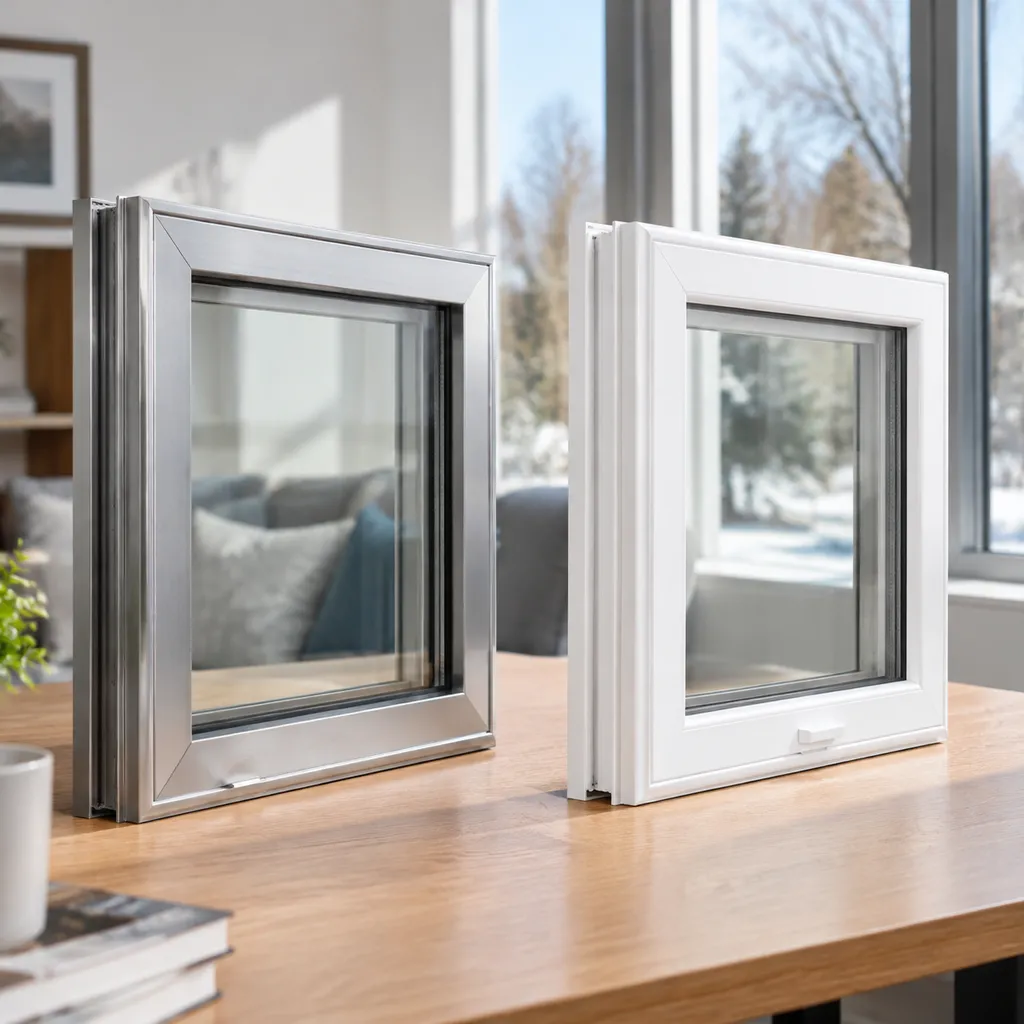
When weighing the aluminum vs vinyl storm windows price, evaluating upfront material costs alongside long-term durability and structural performance gives you the true picture of total value.
| Performance & Cost Metric | Aluminum Storm Windows | Vinyl Storm Windows |
|---|---|---|
| Initial Purchase Cost | Moderate to Premium | Low to Moderate |
| Expected Lifespan | 30–40+ years | 15–20 years |
| Structural Rigidity | Exceptionally high | Moderate (prone to flex) |
| Thermal Insulation | Moderate (requires thermal breaks) | High natural frame insulation |
| Sightline Thickness | Slim, narrow profile | Bulkier, wider profile |
| Wind & Impact Resistance | Superior deflection resistance | Susceptible to high wind stress |
| Typical Warranty Coverage | 10–20 years (often lifetime on frames) | 5–15 years |
Wind Load and Impact Resistance Comparison
-
- Aluminum frames: Provide exceptional tensile strength. They resist warping under intense wind pressure, making them ideal for multi-story buildings, coastal regions, and extreme weather zones when installed alongside durable aluminum hung windows.
- Vinyl frames: Offer adequate protection in mild to moderate climates, but larger vinyl units can bow or rattle under heavy wind loads over time due to material flexibility.
Frame Profile Aesthetics and Visible Sightlines
-
- Slim aluminum profiles: Maximize glass surface area, preserving architectural character and allowing maximum natural light into living spaces.
- Bulkier vinyl frames: Require thicker multichambered walls to maintain structural stability, which slightly reduces visible glass area and overall daylight exposure.
Warranty Coverage and Expected Replacement Cycles
-
- Durability of aluminum storm frames: The structural integrity of metal frames results in longer warranty periods against structural failure. They rarely need replacement before 30 to 40 years of service.
- Vinyl replacement timelines: While vinyl requires minimal maintenance, exposure to intense UV radiation can cause brittleness over 15 to 20 years, accelerating the replacement cycle in heavy sun environments across various residential solutions.
Which Material Fits Your Home and Budget?
Choosing between these two materials comes down to balancing your immediate project budget against long-term performance requirements. Evaluating the aluminum vs vinyl storm windows price against your local climate and architecture ensures you spend where it counts.
| Decision Factor | Best Choice | Why It Wins |
|---|---|---|
| Upfront Purchase Price | Vinyl | Lower initial material cost per unit |
| Long-Term Service Life | Aluminum | Lasts 30–40+ years without warping |
| Severe Storm / Wind Loads | Aluminum | High structural rigidity under pressure |
| Thermal Insulation Value | Vinyl | Naturally low conductivity frames |
| Historic & Narrow Sightlines | Aluminum | Slim profile preserves original window aesthetics |
When to Choose Vinyl
Vinyl works well if upfront project cost is your primary constraint and your home sits in a moderate climate.
-
- Strict Upfront Budgets: Vinyl minimizes initial expenditures across whole-house retrofits.
- Cold, Moderate Climates: Multi-chambered vinyl profiles reduce draft transfer effectively in regions without intense summer heat.
- Low-Maintenance Needs: Solid-color frames eliminate the need for surface touch-ups or repainting over time.
When to Choose Aluminum
Aluminum is the go-to solution for durability, storm resilience, and precise architectural integration.
-
- Extreme Weather & High Winds: Rigid frames hold firm against heavy winds, coastal storms, and structural stress without cracking.
- Historic Properties: Slim, low-profile designs protect primary windows without covering delicate trim, much like our structurally engineered aluminum series 90 single hung windows for durable home comfort.
- Long-Term Ownership: A lifespan exceeding 30 to 40 years eliminates early replacement costs, making the lifetime value superior in high-exposure settings.
Expert Installation & Measurement Tips: Maximizing Your Investment
Getting the best return on your aluminum vs vinyl storm windows price comes down to how well the units are measured and installed. Even the highest-grade storm panels underperform if air leaks around the perimeter or frames fit poorly.
Accurate Measuring Practices to Avoid Expensive Custom Re-Orders
Ordering mistakes quickly inflate your project budget. To secure a tight fit and prevent costly re-orders:
-
- Measure Width in Three Spots: Measure between the window jambs at the top, middle, and bottom. Always use the narrowest dimension.
- Measure Height in Three Spots: Measure from the high point of the sill to the top jamb on the left, center, and right. Record the shortest measurement.
- Check for Squareness: Measure diagonally from corner to corner. If the two diagonal numbers differ by more than 1/4 inch, your opening is out of square and may require specialized shimming or dedicated custom architectural solutions to ensure proper fit and operation.
Assessing Existing Window Frames Before Retrofitting Exterior Storm Panels
Never install new storm windows over compromised framing. Before mounting either aluminum or vinyl units, we inspect the primary frame:
-
- Wood Decay & Rot: Probe the exterior sill and blind stop for soft spots. Rotted wood must be repaired before installation to ensure anchoring screws hold firmly under heavy wind loads.
- Paint & Surface Prep: Scrape flaking paint and clean the mounting surfaces. Smooth blind stops create an airtight seal against the storm window flange.
- Operating Clearance: Ensure your primary sash opens and closes freely so that adding exterior storm panels does not interfere with daily operation.
Precision Craftsmanship and Weather-Sealing Protect Your Budget
A quality install protects your exterior storm window replacement cost by eliminating drafts and preventing moisture entrapment:
-
- Top and Side Perimeter Caulking: Apply continuous, high-grade elastomeric sealant along the top header and side jamb blind stops before screwing the frame into place.
- Keep Bottom Weep Holes Open: Never caulk the bottom expander flange to the sill. Trapped condensation must drain freely through the factory weep holes to prevent water accumulation and structural wood rot.
- Proper Fastener Tension: Set screws evenly to avoid bowing the frame, ensuring sashes glide smoothly and latch tightly against the weatherstripping.
Frequently Asked Questions (FAQs) About Storm Window Prices
Are Aluminum Storm Windows Worth the Extra Cost Over Vinyl?
Yes, if you want long-term structural integrity and minimal frame thickness. When evaluating the aluminum vs vinyl storm windows price, aluminum typically requires a higher upfront investment. However, aluminum frames deliver a 30 to 40+ year service life without warping, cracking, or degrading under intense UV exposure. Vinyl provides solid short-term budget relief and built-in thermal resistance, but aluminum offers superior long-term lifecycle value, especially in extreme weather conditions.
How Much Do Low-E Glass Upgrades Add to the Total Price?
Adding Low-E (low-emissivity) glass coatings usually increases the base price of a storm window by 15% to 30% per unit. Despite this initial bump, Low-E glass reflects radiant heat, reduces solar heat gain in summer, and traps interior heat during winter. This upgrade drastically cuts annual heating and cooling expenses, making it one of the most cost-effective performance options you can choose.
How Quickly Do Energy-Efficient Storm Windows Pay for Themselves?
Most homeowners see their investment break even within 3 to 7 years. The exact payback period depends on:
-
- Local Climate: Regions with severe winters or scorching summers yield faster returns.
- Condition of Primary Windows: Adding storm units over drafty single-pane windows creates an immediate reduction in heating and cooling bills.
- Glass Specification: Low-E storm panels speed up energy payback compared to standard clear glass.
Is Professional Storm Window Installation Worth the Labor Cost?
Professional installation adds to your upfront labor cost, but it ensures an airtight seal, functional weep holes for water drainage, and square alignment on older window openings. Improper DIY installation can lead to trapped moisture, wood rot in existing sashes, and air infiltration that negates your energy savings. For more guidance on sizing, installation, and product specifications, visit our comprehensive window FAQs to explore practical solutions for your project.