

Anatomy of Old Style Aluminum Storm Windows
Operational Mechanics: Triple-Track vs. Two-Track Systems
Most traditional storm frames fall into two distinct configurations:
-
- Triple-Track Storm Windows: Built with three independent interior channels. The top outer glass pane, bottom inner glass pane, and bottom exterior screen operate on their own distinct tracks. This provides immediate, full ventilation without removing any components.
- Two-Track Storm Windows: Feature an upper exterior pane fixed in place or mounted in a shared track with the lower pane, with a half-screen occupying the second channel. They offer a narrower sightline but provide less operational flexibility.
Self-Storing vs. Interchangeable Seasonal Inserts
-
- Self-Storing Units: Keep both the glass sashes and screen inserts contained inside the master frame year-round. You simply slide the glass up to engage the screen for summer ventilation.
- Interchangeable Modular Inserts: Use a single exterior master frame where glass and wire-mesh screen panels must be physically removed, swapped, and stored in a basement or garage twice a year.
Master Frame Profiles: Extruded vs. Roll-Formed Aluminum
The structural integrity of an old style aluminum storm unit depends entirely on how the frame was manufactured:
-
- Extruded Aluminum Storm Sash: High-grade, thick-gauge aluminum pushed through precision dies. These heavy frames resist racking, maintain squareness over decades, and can be disassembled and repaired repeatedly.
- Lightweight Roll-Formed Profiles: Made from thin aluminum sheet rolled into shape over dies. These thin profiles are prone to bending, denting, and bowing under wind loads, leading to binding sashes and air leaks.
Vintage Hardware Identification
Every functional movement in a vintage storm window relies on small, serviceable components:
-
- Storm Window Slide Latches: Spring-loaded zinc, brass, or plastic bolt assemblies mounted at the bottom corners of each sash to lock into track height adjustment holes.
- Corner Keys and Brackets: Die-cast zinc or aluminum storm window corner brackets inserted inside hollow frame miters to hold the four corners rigid.
- Slide Shoes and Guides: Small nylon or metal clips fitted on sash edges to prevent metal-on-metal screeching and bind-ups during vertical travel.
Weep Holes and Meeting Rail Interlocks
Water management and wind blocking are the final mechanical necessities:
-
- Gravity-Fed Sill Weep Holes: Slotted drainage ports cut into the lowest point of the exterior sill flange. They allow collected condensation and driven rain to escape outward, stopping rot from attacking the underlying wood blind stop.
- Meeting Rail Interlocks: The overlapping horizontal lip where the upper and lower sashes meet. When engaged, this metal-to-metal overlap blocks updrafts, prevents rattles, and seals the perimeter against driving rain.
Common Failure Points in Vintage Aluminum Storm Windows
Decades of exposure take a heavy toll on old style aluminum storm windows. When inspecting older installations on vintage homes, we consistently find four critical failure points that compromise operation, weather protection, and the primary window sills underneath.
Surface Oxidation, White Rust, and Pitting
Raw mill finish aluminum windows lack modern anodized or powder-coated sealants. Over years of driving rain and airborne pollutants, the bare metal reacts chemically:
White rust formation: Crusty aluminum oxide powder builds up across sash edges and frame profiles.
Surface pitting: Deep micro-craters erode the frame, snagging dirt and causing persistent friction against adjoining tracks.
Aesthetic decay: The original silver sheen turns a blotchy, mottled gray that stains underlying wood sills during downpours.
Racked Frames, Binding Slide Tracks, and Broken Spring Latches
Decades of settling foundations and repeated seasonal operation distort the geometry of lightweight sash frames:
Racked assemblies: Window frames twist out of square, causing the inserts to jam mid-travel or pop out of their vertical channels.
Sticky runner tracks: Built-up debris, petrified lubricant, and grit bind the slide channels, making raising or lowering the sash nearly impossible without bending the thin metal rails.
Broken or stripped storm window slide latches: Vintage die-cast zinc latches become brittle with age, snapping clean off and leaving the bottom sash unable to lock into position against heavy winds. Upgrading obsolete hardware or replacing compromised frames with modern aluminum storm windows with removable lower glass and screen eliminates the constant struggle of jammed seasonal inserts.
Deteriorated Wool-Pile Weatherstripping and Loose Glazing Splines
Air seals and glass retention systems rarely survive past twenty years intact:
Crumbled wool pile: The dense fiber strips that once sealed the gaps between track channels and moving sashes turn brittle, shed fibers, and disintegrate, allowing drafts and street noise to pass straight through.
Shrunk and brittle vinyl splines: The flexible gaskets holding the glass into the aluminum sash frame dry out, shrink, and crack. This causes glass panes to rattle audibly during high winds and creates air gaps that nullify thermal performance.
Trapped Moisture and Wood Rot from Clogged Drain Channels
The most severe threat vintage aluminum units pose is structural rot to the primary wooden casing:
Blocked storm window weep holes: Small drain slots at the base sill quickly clog with dust, insect husks, and flaking paint.
Water ponding: When condensation run-off or wind-driven rain cannot drain through the sill channels, water pools inside the lower frame.
Hidden sill decay: Trapped moisture seeps into the wood sill and blind stop beneath the aluminum flange. Because the exterior metal covers the wood, extensive rot often develops unseen for years until deep structural damage occurs. When sashes reach this stage of failure, reviewing aluminum storm windows prices and how to improve them provides a clear baseline to decide whether rebuilding original parts or installing new exterior storm units makes the most economic sense.
Restoring vs. Replacing Old Style Aluminum Storm Windows
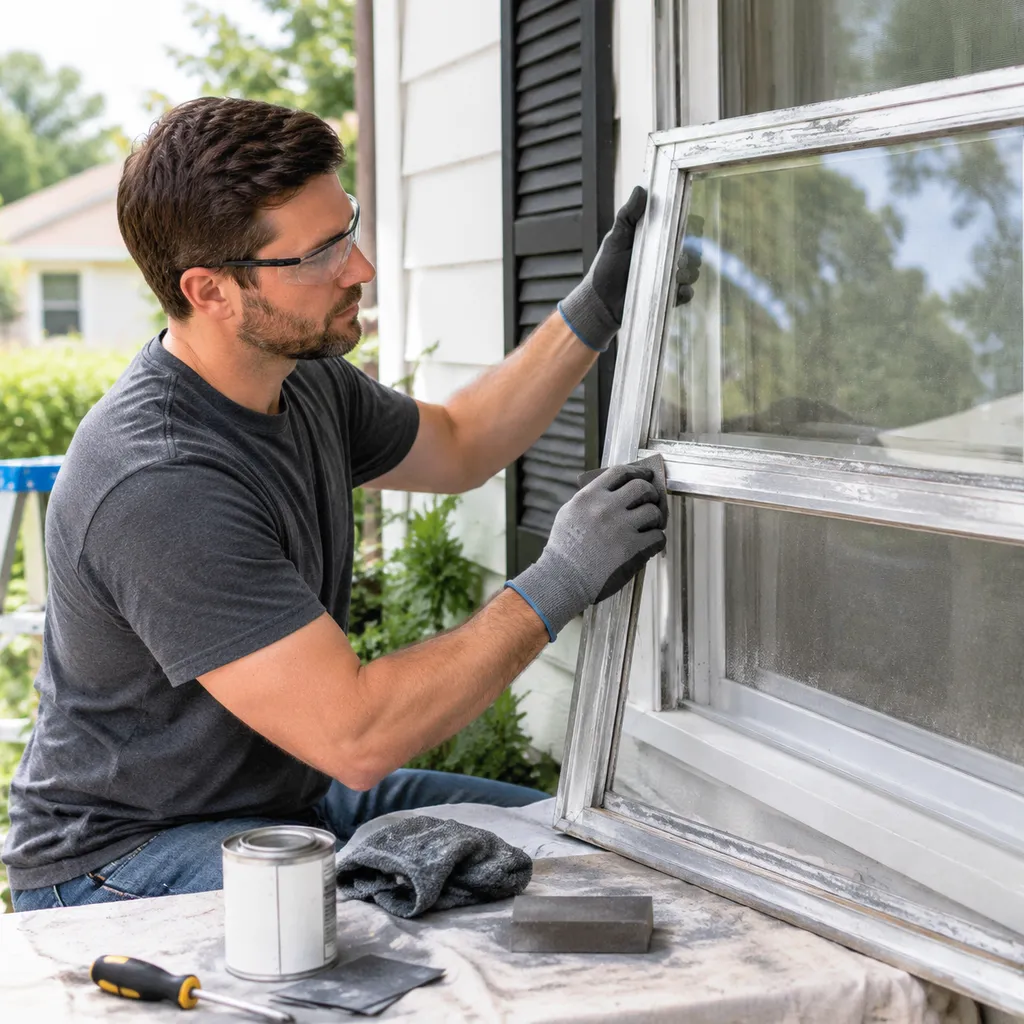
Deciding whether to salvage or scrap vintage storm assemblies comes down to structural integrity. When the main chassis remains straight and true, targeted repairs are straightforward and cost-effective. However, when the metal fatigues or warps beyond square, replacement is the only reliable path forward.
DIY Repairs: Screens, Glass, and Surface Oxidation
Most basic repairs require only simple hand tools and an afternoon on the workbench:
-
- Rescreening: Remove the dried, hardened vinyl spline with an awl, roll new fiberglass or aluminum mesh into the channel, and lock it down with fresh spline.
- Recutting Glass: Standard single-strength glass sheets can be scored and snapped to size, then set directly into the sash frame using wrap-around marine glazing vinyl.
- Cleaning Oxidized Aluminum: Surface pitting and white powdery aluminum oxide strip away easily using fine bronze wool and a dedicated aluminum restoration cleaner. Avoid standard steel wool, which leaves microscopic particles that rust.
Sourcing Hard-to-Find Hardware
Finding original aluminum storm window parts requires matching profiles rather than model numbers:
-
- Slide Latches and Shoes: Spring-loaded nylon and zinc storm window slide latches commonly snap from decades of UV exposure. Measure the latch width and mounting tab depth before ordering universal reproductions.
- Corner Brackets: Die-cast zinc or stamped aluminum storm window corner brackets hold sash miter joints together. When sashes wobble, drill out the old retaining rivets, insert new corner keys, and re-stake them into place.
When Old Style Aluminum Storm Windows Are Beyond Repair
Restoration hits a hard limit when safety and function are compromised:
-
- Severe Frame Racking: Once master frames twist or deflect out of square, panels bind permanently in the tracks, preventing emergency egress or seasonal ventilation.
- Blow-Out Hazards: Missing structural corners or stripped track channels allow panels to pop free during heavy windstorms, risking glass breakage and exterior property damage.
- Deep Structural Corrosion: Metal loss that eats through the extruded channels prevents new weatherstripping and glazing splines from seating securely.
Cost and Energy Payback: Repair vs. Custom Replacement
Fixing broken latches or swapping out torn screens costs minimal money up front, making it the practical choice for isolated damage. But if air leaks persist around twisted frames and rotted tracks, patching no longer delivers meaningful draft protection. Upgrading to heavy-duty custom aluminum storm windows in any size provides a rigid, weather-tight perimeter that seals drafts, stabilizes room temperatures, and protects historic interior woodwork for decades without ongoing emergency repairs.
Historic Preservation Rules and Energy Efficiency for Old Style Aluminum Storm Windows
Historic preservation commissions often scrutinize exterior alterations, but old style aluminum storm windows remain one of the few exterior modifications widely approved by historic review boards. When selected and mounted correctly, an exterior aluminum storm sash acts as a sacrificial barrier, protecting irreplaceable historic materials while boosting thermal performance to modern standards.
Protecting Original Wood Primary Sashes
Vintage single-pane wood windows possess dense, old-growth lumber that outlasts modern replacement units, provided they stay dry. Installing exterior aluminum storm windows creates a physical buffer against the elements:
-
- Shielding UV Radiation: Direct sun exposure breaks down exterior oil paints and dries out historical glazing putty, causing it to crack and crumble away from the glass.
- Deflecting Wind-Driven Rain: Storm sashes take the brunt of heavy precipitation, keeping water out of the delicate lower rail joint and exterior sill.
- Buffering Temperature Swings: The trapped dead-air space reduces thermal shock on the primary window frame, helping wood sills and jambs hold their paint coatings twice as long.
Matching Historic District Sightlines and Blind Stop Dimensions
Local historic districts generally mandate that storm windows do not distort the visual character of the structure. The goal is to make the secondary window practically invisible from the street:
-
- Aligning Meeting Rails: The meeting rail of a two-track or triple-track storm must align precisely with the meeting rail of the primary hung window inside. Misaligned horizontal bars create a cluttered, double-rail look that historic commissions reject.
- Fitting the Blind Stop: Standard historic home storm window options utilize a blind stop installation, tucking the storm window frame into the recessed exterior pocket just outside the upper sash. This conceals the master frame behind the exterior brickmold or casing.
- Narrow Profile Extrusions: Bulky flanges ruin architectural character. Slim, low-profile architectural aluminum window frames preserve historic shadow lines and reveal the original woodwork.
Architectural Powder Coating vs. Raw Mill-Finish Aluminum
Bare mill finish aluminum windows were common from the 1950s through the 1970s, but raw, unpainted metal quickly develops an unsightly chalky oxidation that clashes with historic facades. Most architectural review guidelines strictly prohibit bare aluminum:
-
- Custom Powder Coating: Modern architectural extruded aluminum storm sash units are finished with durable, baked-on powder coatings that resist chipping, chalking, and coastal salt fog.
- Color Matching Historic Palettes: Rather than settling for bare silver or generic white, powder-coated units can match historic trim palettes—such as deep bronze, forest green, parchment, or black—allowing the storm frames to blend seamlessly into the window casing.
- Long-Term Surface Protection: Unlike painted wood storms that require scraping every few seasons, a high-grade fluoropolymer or powder-coated aluminum surface holds up against heavy weathering without needing refinishing.
| Feature | Raw Mill-Finish Aluminum | Architectural Powder-Coated |
|---|---|---|
| Visual Impact | High contrast; oxidizes to dull gray | Blends with historic trim paint |
| Historic Approval | Rarely permitted by local boards | Widely approved by preservationists |
| Corrosion Resistance | Prone to white rust and pitting | High resistance to moisture & salt |
| Maintenance Cycle | Frequent chemical cleaning required | Occasional soap-and-water wash |
Thermal Performance: Historic Glass Paired with Modern Low-E Storms
Ripping out original windows to install modern vinyl replacements is rarely cost-effective and damages the character of an older building. Installing high-performance low-E glass storm windows over historic single-hung or double-hung sashes delivers energy savings comparable to new double-pane replacements at a fraction of the cost:
-
- Slashing Air Infiltration: Historic wood windows leak substantial conditioned air through loose weight pockets and perimeter gaps. A tight-fitting storm window stops air leakage at the exterior boundary.
- Reflecting Radiant Heat: Low-emissivity glass reflects interior radiant heat back into the living space during cold months and blocks solar heat gain throughout hot summers.
- Managing Interior Glass Condensation: A properly vented storm sash elevates the temperature of the interior glass surface. For older setups experiencing winter moisture issues, following standard installation and maintenance methods ensures interior warmth without trapping moisture in the cavity.
- Lower Overall U-Factor: Adding a low-E aluminum storm window over a drafty single-pane wood window drops the assembly's overall U-factor from roughly 1.0–1.2 down to 0.35–0.40, matching modern thermal building standards without discarding historic timber.
How to Measure Non-Square Historic Openings for Storm Windows
Old houses settle over decades, leaving window frames twisted, racked, and visibly out of plumb. When you order or retrofit old style aluminum storm windows for a vintage property, guessing dimensions off a single tape pull guarantees air leaks, binding tracks, or a frame that simply refuses to sit flush. Taking accurate measurements across multiple reference points ensures custom exterior storm windows mount properly without compromising the surrounding historic woodwork.
Blind Stop Mounting vs. Exterior Overlap Casing Mounts
Before taking any measurements, identify where the storm window frame will sit. Vintage wood window openings accommodate two distinct mounting styles:
-
- Blind Stop Installation: This is the most common and historically sensitive approach. The storm window sits recessed inside the outer brick-mould casing, secured directly against the wooden blind stop trim. This keeps the aluminum profile tucked back, preserving original exterior sightlines.
- Exterior Overlap Casing Mount: When the blind stop is missing, too narrow (less than 3/4 inch), or rotted, the storm window must overlap the exterior casing face. This requires measuring the outer face dimensions of the trim rather than the inner pocket.
| Mounting Style | Mounting Surface | Minimum Depth Required | Visual Impact |
|---|---|---|---|
| Blind Stop | Inner stop face | 7/8 inch to 1 inch pocket | Low profile; preserves exterior trim lines |
| Overlap Casing | Face of outer casing | Flat exterior surface | Sits proud on trim; alters outer shadow lines |
Taking Accurate Three-Point Width and Height Measurements
Never assume a historic window opening is parallel. Measure both width and height at three distinct locations inside the blind stop pocket using a rigid steel tape:
-
- Width: Measure across the opening from blind stop to blind stop at the top, middle, and bottom. Record all three numbers to the nearest 1/16 inch. Use the smallest measurement as your master ordering width.
- Height: Measure vertically from the highest point of the sloped sill to the underside of the top blind stop header on the left, center, and right. Use the smallest measurement as your master ordering height.
Using the smallest dimension ensures your replacement unit slips into the pocket without cutting into historic jambs. The adjustable bottom expander on properly designed white aluminum storm windows for durable protection bridges minor variations across uneven sills.
Checking Diagonals for Out-of-Square Frame Settling
To diagnose severe structural racking, measure corner-to-corner diagonally across the opening:
-
- Pull the tape from the top-left corner to bottom-right corner.
- Pull the tape from the top-right corner to bottom-left corner.
If the two diagonal measurements differ by more than 1/4 inch, the opening is significantly out of square. Because an extruded aluminum frame is rigid and square, forcing it into a paralleled opening twists the side jambs, jams the sash glides, and causes premature latch failure. When out-of-square conditions exceed 3/8 inch, you must scribe a narrow wood filler strip to the blind stop or order a custom-sized frame engineered to account for the clearance differential.
Factoring in Sill Slope and Bevel Angles for a Flush Seal
Historic exterior window sills drop at a distinct angle—usually between 8 and 14 degrees—to shed rainwater away from the foundation. A standard flat storm frame bottom cannot seal flush against an angled sill without creating wedge-shaped air gaps.
-
- Measure the angle of the sill drop using an angle finder or bevel gauge placed against the blind stop face.
- Check that the replacement frame includes an adjustable sill expander (an inverted U-channel fitted to the bottom rail).
- During dry fitting, slide the expander down until it mirrors the sill's exact bevel angle, creating a tight physical barrier against drafts while leaving the built-in drain weep holes unblocked.
Modern Upgrades: Architectural Extruded Aluminum Storm Windows
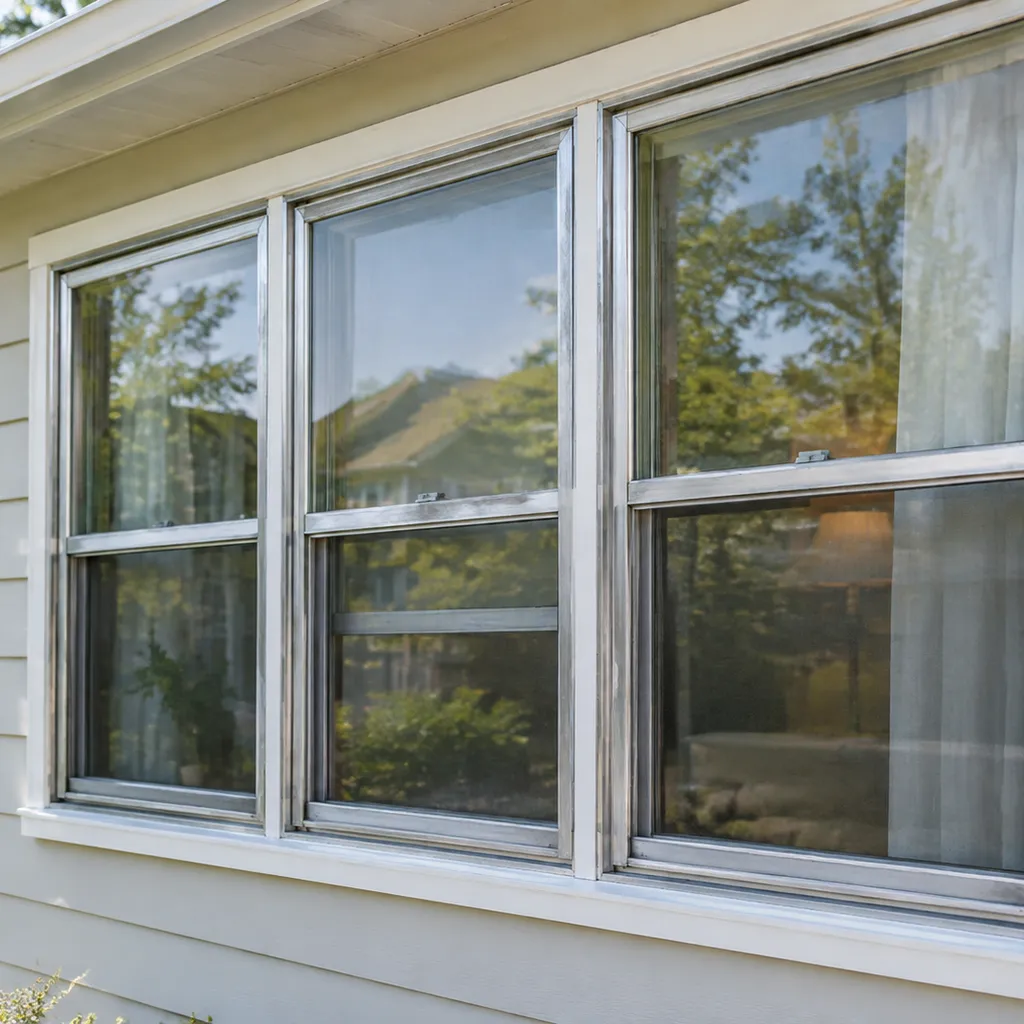
When upgrading old style aluminum storm windows, swapping them for lightweight, off-the-shelf retail units often creates more problems than it solves. Thin sheet metal bends easily, binds in tracks, and fails to seal out drafts. We engineer and install heavy-duty architectural-grade systems that deliver modern thermal performance while honoring classic building profiles. Reviewing the different types of aluminum storm windows explained reveals why rigid, heavy-gauge extruded profiles outperform flimsy rolled options every time.
Heavy-Gauge Extruded Aluminum vs. Lightweight Retail Profiles
-
- Structural Integrity: Heavy-gauge extruded aluminum frames do not twist, rack, or bend under heavy wind loads.
- Seamless Track Gliding: Thicker frame channels prevent sashes from binding or popping out of alignment.
- Component Longevity: Built-in screw bosses and solid corner joints eliminate corner separation common in budget units.
Custom Fabrication for Out-of-Plumb Historic Openings
Historic window casings settle over time, leaving openings out of square, plumb, and level. Standard storm units leave massive perimeter gaps that invite drafts and moisture. We custom-fabricate each exterior storm sash down to the exact fraction of an inch, compensating for tilted sills and uneven jambs to ensure an airtight, perimeter-flush fit without forcing the original woodwork.
High-Durability Powder-Coated and Fluoropolymer Finishes
Bare mill-finish aluminum inevitably develops chalky oxidation and pitting. Modern architectural replacements use factory-applied finishes that withstand severe weather exposure:
-
- Powder Coatings: Provide a thick, impact-resistant protective layer that resists chipping, scratching, and peeling.
- Fluoropolymer Finishes: Engineered to block UV breakdown, preventing color fade and chalking for decades.
- Historic Color Matching: Custom palettes replicate traditional oil paints, satisfying strict historic preservation review boards.
Glazing Upgrades, Acoustic Control, and Air Infiltration
Upgrading traditional storm designs does not mean sacrificing thermal performance. By pairing precision architectural frames with modern glazing options, we achieve exceptional energy ratings:
-
- Low-E Coatings: High-performance low-E glass reflects interior heat back into your living spaces during winter and blocks solar radiation in summer.
- Acoustic Laminated Glass: Dampens street noise, traffic, and high-frequency sounds far better than standard single-strength panes.
- Superior Air Infiltration Ratings: High-density wool-pile and Santoprene weather seals drastically reduce air infiltration rates, eliminating seasonal drafts while protecting your interior historic wood windows.
Installation and Routine Maintenance for Old Style Aluminum Storm Windows
The Critical Three-Side Caulking Rule
Whenever mounting an exterior storm frame to existing blind stops:
-
- Seal the top and sides only: Run a continuous bead of elastomeric or silicone caulk along the top blind stop and both side jambs.
- Leave the bottom flange bare: Never caulk the bottom sill flange. If caulk seals the bottom against the sill, trapped condensation and wind-driven rain have nowhere to escape, directly rotting your primary wood sill.
Clearing Sill Weep Holes
Exterior moisture relies on gravity drainage. Over time, outdoor grime, leaf dust, and insect nests choke the drainage path.
-
- Locate the drainage slots cut into the bottom exterior face of the master frame.
- Probe the storm window weep holes using a stiff wire, an awl, or a burst of compressed air.
- Flush the sill with clean water to confirm water drains freely onto the sloped exterior sill without pooling inside the track.
Cleaning and Lubricating Sticky Aluminum Tracks
Aluminum-on-aluminum friction creates severe binding over time, especially when dirt settles into the slide channels:
-
- Clean the channels: Vacuum the runner tracks thoroughly and wipe down the extruded grooves with a damp microfiber cloth to remove built-up soot and grit.
- Use dry silicone spray: Never apply wet lubricants, automotive grease, or standard penetrating oils, as they attract airborne grit and create abrasive sludge. Mist the tracks lightly with dry silicone spray or rub them with paraffin wax to restore effortless, quiet sliding.
Pre-Winter Draft Checks and Seasonal Screen Changeovers
Before freezing weather arrives, conduct a five-minute readiness check across all windows:
-
- Reconfigure inserts: For durable aluminum storm windows with screens, drop the upper and lower glass sashes into their low winter positions and raise the insect screen to the upper track.
- Verify latch engagement: Check that the spring-loaded slide latches click fully into the track stops on both left and right sides. A half-seated latch allows sashes to rack and chatter in high winds.
- Inspect meeting rail interlocks: Ensure the upper and lower sashes meet tightly at the center rail to block direct air infiltration and maintain a dead-air insulation layer against the primary window.
Frequently Asked Questions About Old Style Aluminum Storm Windows
Can I replace old aluminum storms without replacing my interior wood windows?
Yes, absolutely. In fact, keeping your original wood sashes and simply swapping out worn exterior units is one of the most cost-effective ways to restore thermal efficiency. When upgrading, you can install new high-quality aluminum storm windows directly onto the exterior blind stop without disturbing your interior trim, historic glass, or weight-and-pulley systems.
How do I safely remove and clean triple-track storm window inserts?
Removing inserts from triple track storm windows takes a steady hand and a clear sequence:
-
- Raise the screen insert: Slide the bottom screen up into the top bypass track.
- Lower the glass sash: Bring the interior glass sash down toward the sill.
- Retract the slide latches: Squeeze both spring-loaded slide latches inward toward the center of the rail.
- Pivot and pull: Tilt the right side of the frame outward slightly, then clear the left runner from the master track.
- Clean flat: Lay the inserts flat on a padded surface to clean them with mild soapy water and a microfiber cloth, avoiding excessive pressure on vintage corner keys.
Why are my exterior storm windows causing condensation on interior glass?
Condensation between your primary window and the exterior storm sash means warm, moist interior air is leaking past your primary sashes faster than the storm can vent it.
To fix this balance:
Air-seal the inside sash: Add new weatherstripping along the interior sash meeting rails and perimeter to block indoor humidity.
Clear sill weep holes: Ensure the exterior storm window weep holes along the bottom frame flange are completely clear of paint, caulk, and dirt to allow moisture vapor to escape outdoors.
Are exterior aluminum storm windows allowed in designated historic districts?
Most historic preservation commissions permit exterior metal storms as long as they respect the building's historic character:
-
- Sightline matching: The storm window meeting rail must align precisely with the primary window’s horizontal meeting rail.
- Low-profile frames: The master frame must sit neatly inside the blind stop recess rather than overlapping and hiding the exterior wood casing.
- Coated finishes: Bare mill finish aluminum windows are frequently rejected; commissions usually require painted or architectural powder-coated finishes that match the trim color.
What is the best way to clean oxidized mill-finish aluminum frames?
Decades of exposure create a dull gray chalk or pitted white rust on raw aluminum profiles. We restore them using a direct three-step approach:
-
- Wash: Scrub away surface grime with a mix of warm water, gentle dish detergent, and a soft nylon brush.
- Dissolve oxidation: Apply a 1:1 mixture of white vinegar and water, or a commercial non-etching aluminum cleaner, using a non-abrasive scouring pad (such as fine white or bronze synthetic wool). Never use coarse steel wool, as embedded steel fibers will cause rust streaks.
- Protect: Rinse thoroughly, dry completely, and wipe down the bare metal with paste wax or a silicone-based aluminum protectant to prevent immediate re-oxidation.