
Formula details
Product Details
Overview
What Are Aluminum Storm Windows with Removable Lower Glass and Screen?
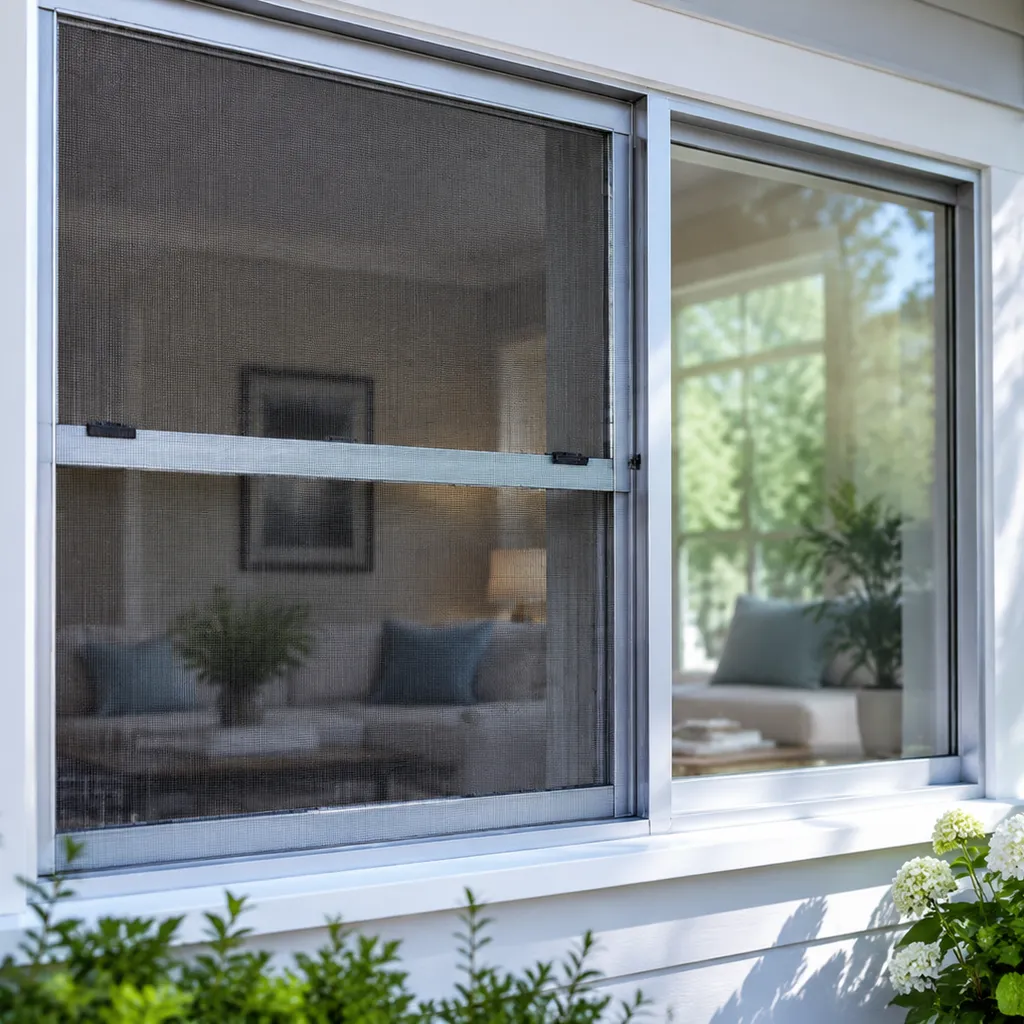
An aluminum storm window with removable lower glass and screen is a secondary exterior glazing system engineered to mount over your primary home windows.
The primary purpose is practical: in cold months, the lower glass sash remains locked down to create a dead-air insulation barrier against drafts. In warmer months, you can either raise the glass sash or pop it out completely to let air flow through the heavy-duty screen without removing the entire master frame from your home exterior.
Two-Track vs. Triple-Track Storm Frames
We configure these systems in two core track styles to match different homeowner functional needs:
| Frame Style | Track Configuration | Glass & Screen Operation | Best Application |
|---|---|---|---|
| Two-Track | Outer track holds fixed upper glass; inner track houses the movable/removable lower glass and screen insert. | Requires swapping the lower glass panel with the screen panel seasonally, or nesting the screen beneath a raised lower glass sash. | Historic homes, slim window jambs, budget-conscious weatherization. |
| Triple-Track | Three independent channels: one for the top glass, one for the bottom glass, and one dedicated to the full or half screen. | Self-storing design. Both the lower glass sash and the screen slide independently on their own dedicated tracks—no seasonal basement storage needed. | Maximum convenience, frequent day-to-day ventilation adjustments. |
How the Lower Operable Glass Sash and Screen Insert Function
The lower removable sash rides inside precision-machined vertical track channels. To operate it:
-
- Slide Operation: Built-in spring-loaded latches located on the bottom rail allow you to slide the lower glass panel upward into multiple locking height positions.
- Panel Removal: Retracting both slide latches fully inward disengages the sash guide pins from the side jamb tracks. This lets you tilt the bottom edge inward and drop the panel out for fast seasonal swapping or cleaning.
- Screen Placement: Once the lower glass is removed or moved into the upper parking position, the aluminum-framed insect screen locks into the lower track stops to provide unobstructed airflow.
Interchangeable Seasonal Panels vs. Self-Storing Tracks
Choosing between interchangeable inserts and self-storing tracks comes down to how you prefer to manage seasonal transitions:
-
- Seasonal Interchangeable Panels: Found primarily on classic two-track setups. You physically remove the lower glass insert in the spring, store it safely indoors, and snap an interchangeable screen panel into the vacant track. This provides the absolute slimmest exterior profile and cleanest sightlines.
- Self-Storing Systems: Common on triple-track setups. The screen and lower glass panel live permanently inside the frame year-round. You simply slide the glass up to expose the screen beneath it, eliminating the risk of panel drop damage during storage transitions.
Standard Hardware and Frame Components
Every reliable aluminum storm window with removable lower glass and screen relies on four vital mechanical components:
-
- Extruded Aluminum Master Frame: High-tensile perimeter casing that resists racking, warping, and UV degradation.
- Spring-Loaded Slide Latches: Heavy-duty zinc or polycarbonate thumb latches that secure the lower sash into pre-punched track stops.
- Polymer Track Guides: Friction-reducing liners inside the jamb channels that prevent metal-on-metal binding and wind rattling.
- Sill Weep Holes: Precision-engineered drainage slots cut into the bottom sill flange that channel wind-driven rain out of the track assembly before moisture reaches your primary window wood sill.
Key Benefits of Aluminum Storm Windows with Removable Lower Glass and Screen
Upgrading to aluminum storm windows with a removable lower glass and screen delivers immediate thermal control and practical convenience. Instead of wrestling with bulky full-frame storm units twice a year, these multi-track designs let you manage airflow, clean the glass, and seal drafts right from inside the room.
Instant Seasonal Ventilation Control
Switching between winter insulation and spring breezes takes seconds. By disengaging the lower track latches, you can slide out the lower glass insert and pop in the insect screen panel without taking down the full window assembly.
Effortless Interior Cleaning Access
Traditional exterior storm windows require outdoor ladders to clean. With a removable lower sash insert, you unlock the panel from inside your home, lift it out, and wash both sides of the glass at your kitchen sink. This setup keeps exterior maintenance simple and safe on multi-story homes.
Slashing Drafts and Lowering Energy Bills
Adding an exterior storm creates a dead-air insulation barrier over your existing primary window. The interlocking wool pile weatherstripping stops cold drafts immediately, reducing heating and cooling loads year-round. When evaluating aluminum storm windows prices and how to improve them, the rapid payback through reduced utility bills makes this design one of the most cost-effective upgrades available.
Protecting Historic and Single-Pane Windows
We often use these storm windows for historic window weatherization. The heavy-duty extruded aluminum frame absorbs the brunt of wind-driven rain, hail, and harsh UV exposure. This exterior shield stops moisture rot and peeling paint on older wood frames, preserving original architectural details for decades.
Sound Dampening Performance
The decoupled air pocket between the primary window and the exterior storm window acts as an effective acoustic buffer. Street traffic, barking dogs, and neighborhood noise drop noticeably once the lower glass panel is latched firmly in place.
| Feature | Practical Homeowner Benefit |
|---|---|
| Removable Lower Glass Insert | Safe, ladder-free cleaning from inside the house |
| Interchangeable Screen Panel | Immediate seasonal ventilation without removing the main frame |
| Dead-Air Thermal Barrier | Stops cold drafts and lowers monthly heating and cooling costs |
| Exterior Aluminum Shield | Prevents wood rot and weather damage on primary sashes |
| Airspace Sound Buffer | Dampens outdoor street noise and neighborhood disruptions |
Material Specs for Aluminum Storm Windows with Removable Lower Glass and Screen
Core Component Breakdown
| Component | Specification Standard | Functional Advantage |
|---|---|---|
| Extruded Frame | Heavy-gauge 6063-T5 aluminum | Resists wind-load deflection and prevents track twisting |
| Glazing Options | 3.2mm clear tempered or Low-E glass | Tempered prevents shatter hazards; Low-E reflects radiant heat |
| Insect Screening | 18x16 fiberglass or aluminum wire | Resists sagging, tear damage, and seasonal thermal expansion |
| Corner Construction | Die-cast zinc or aluminum corner gussets | Stops corner separation and keeps frame joints square |
| Perimeter Seal | High-density wool pile with fin seal | Blocks drafts, air leaks, and road noise infiltration |
Frame Rigidity and Impact Resistance
We look for heavy-wall extruded aluminum profiles. Lightweight or thin roll-formed metal easily binds inside the tracks when you lift or lower the sash. Thick extruded frames withstand decades of heavy winds and accidental knocks without warping, ensuring the lower track guides stay aligned.
Glass and Screen Insert Choices
The glass inserts typically come in standard clear glass or coated Low-E glass. Adding low-E storm window inserts drops winter radiant heat loss through older single-pane windows significantly. For screen inserts, standard fiberglass insect screen mesh offers flexible, dent-resistant airflow, while heavy-duty aluminum wire prevents pet claws and debris punctures.
Surface Finishes and Seal Integrity
Unprotected aluminum pits and chalks over time. We utilize baked-on enamel or architectural anodized finishes that seal the metal surface against salt spray, acid rain, and oxidation. Around the perimeter of each removable sash, heavy-duty wool pile weatherstripping creates an airtight seal against the master frame. Check our guide on installation and maintenance to verify track clearance and keep your seals operating without drag.
How to Remove, Swap, and Reinstall Lower Glass and Screen Panels
1. Disengage the Slide Latches or Tilt Pins
-
- Locate the spring-loaded slide latches on both sides of the bottom rail of your lower sash insert.
- Pinch the latches inward toward the center simultaneously using your thumbs.
- If your storm unit utilizes tilt pins instead of slide bolts, pull both spring pins inward until the guide teeth clear the track channels.
2. Safely Remove the Lower Glass Sash
-
- Keep the latches fully retracted with both hands.
- Tilt the bottom of the sash inward toward the room until it clears the inner lip of the aluminum channel.
- Lower the panel slightly to release the top edge from the track header, then lift the entire glass unit out of the frame.
- Set the glass down vertically on a padded surface or soft rug to protect the aluminum corners from racking.
3. Insert the Seasonal Aluminum Screen Panel
-
- Pick up the seasonal aluminum screen insert by the side rails, keeping the pull tabs or slide latches facing toward the inside of the house.
- Angle the top of the screen panel into the outer sash track first, sliding it up just far enough for the bottom rail to clear the sill.
- Swing the bottom edge forward into the track channel. For smooth movement on our aluminum storm windows with screens, keep the panel level so both sides enter the track at the same depth.
4. Lock Latches for a Tight Weather Seal
-
- Slowly lower the screen insert until it rests firmly against the sill stops.
- Release the spring-loaded slide latches outward.
- Listen for the distinct click as the pins snap directly into the pre-punched track adjustment holes.
- Gently push against the center of the frame rail to confirm both pins are fully seated and the weatherstripping pile makes flush contact against the outer track stop.
Handling Tips to Prevent Bending and Breakage
-
- Lift from the sides, never the center: Always support panels by the side stiles rather than pulling from the top crossbar, which can bow thin-gauge extrusions.
- Never force a jammed corner: If a panel binds diagonally, lift it straight up to realign both track guides rather than forcing it down.
- Store panels upright: When storing removed glass or screen inserts for the season, stand them on edge rather than stacking them flat under heavy objects.
Measuring for Aluminum Storm Windows with Removable Lower Glass and Screen
Getting exact dimensions is the single most important step before ordering replacement storm units. A unit that is even a quarter-inch too wide will not seat into the opening, while an undersized frame creates perimeter air leaks that defeat the purpose of adding insulation. When I measure for aluminum storm windows removable lower glass and screen setups, I always measure the existing opening at multiple spots to catch warped woodwork or out-of-square framing.
Measuring Width and Height Between Jambs
Wood window frames shift, settle, and bow over time. Never rely on a single measurement across the opening.
-
- Measure Opening Width: Run your tape horizontally between the inside faces of the exterior jambs (or the blind stops). Take three separate measurements: across the top, across the middle, and across the bottom. Record the narrowest measurement of the three.
- Measure Vertical Height: Measure from the highest point of the sloped sill up to the underside of the top head casing. Check the height on the far left, in the center, and on the far right. Always use the shortest measurement as your final ordering height.
| Measurement Point | Location Checked | Rule of Thumb |
|---|---|---|
| Width | Top, Middle, Bottom jambs | Record the smallest figure; deduct 1/8" to 1/4" for fitting clearance |
| Height | Left, Center, Right sill to header | Record the smallest figure measured from the high point of the sill bevel |
| Diagonals | Corner to opposite corner | Difference greater than 1/4" indicates a racked, out-of-square frame |
| Sill Slope | Angle between sill and jamb | Verify standard sill angle so the storm bottom expander seats flush |
Checking Frame Squareness and Sill Bevel
A window opening can have consistent widths and heights and still be out of square. To verify this, measure diagonally from the top-left corner to the bottom-right corner, and then from the top-right corner to the bottom-left corner. If the two diagonal numbers differ by more than 1/4 inch, your opening is racked. Most quality aluminum storm windows removable lower glass and screen units feature adjustable bottom expanders to accommodate slight out-of-level sills, but severe racking requires shimming the stops before securing the exterior frame.
Next, assess the sill bevel angle. Exterior sills angle downward to shed rainwater. Measure the slope so the frame's bottom sill expander can be adjusted to match the angle of the wood without pinching the lower screen or removable glass panel track.
Blind Stop Mounting vs. Overlap Exterior Casing
Before submitting dimensions to an aluminum exterior storm windows wholesale supplier for custom fabrication, you must determine your mounting style:
-
- Blind Stop Mount (Recessed): The storm window frame fits inside the window casing pocket, resting directly against the blind stop molding just in front of the primary window sashes. This is the cleanest look and standard for historic double-hung windows. Your width and height measurements must reflect the clear opening inside the blind stops.
- Overlap Mount (Face/Casing Mount): If your window lacks an exterior blind stop or the exterior pocket depth is shallower than 1 inch, the frame must be fastened directly to the flat exterior face of the brick mold or trim casing. For overlap installations, measure the outer edges of the casing where the screw flange will sit, ensuring the frame does not block primary sash operation or drainage paths.
Installing Aluminum Storm Windows with Removable Lower Glass and Screen
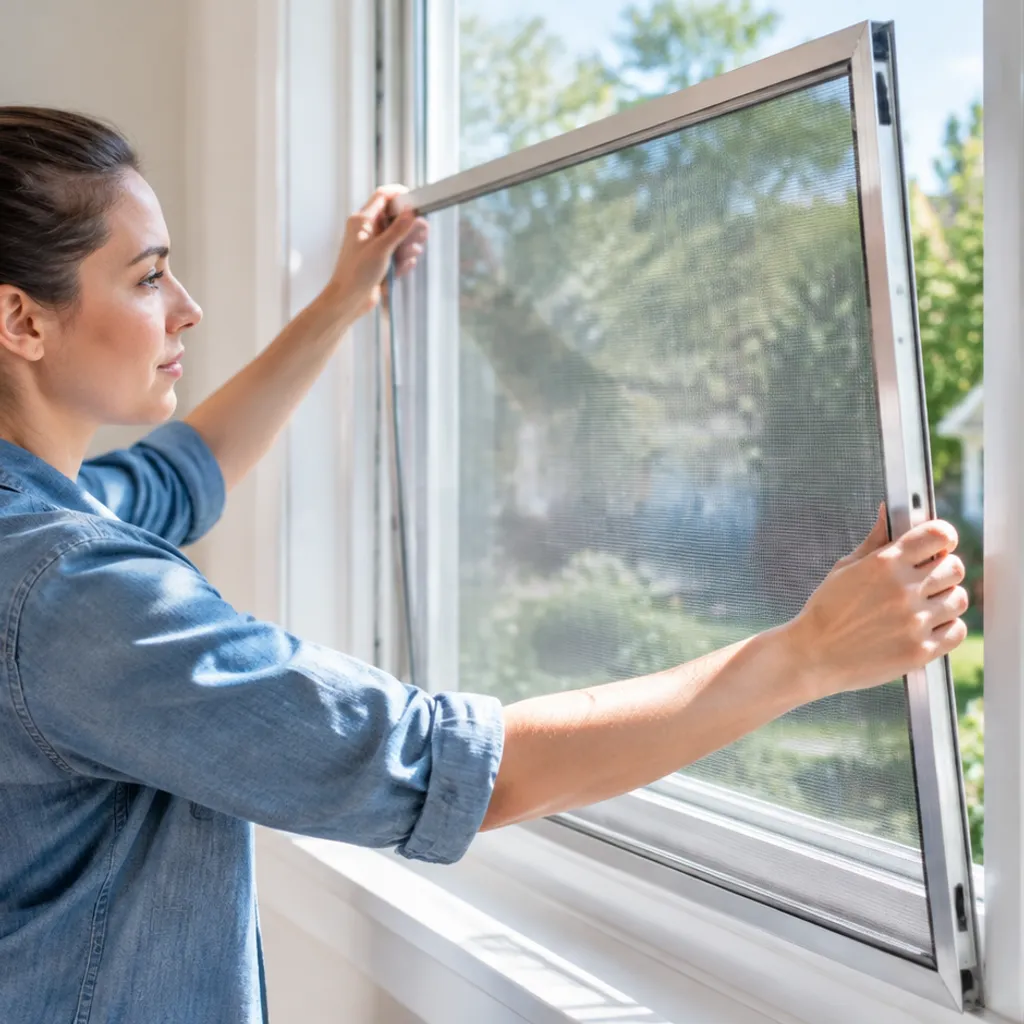
Proper installation protects the structural integrity of your primary window opening and guarantees that your storm unit operates smoothly season after season. When installing high-quality aluminum storm windows, precision prevents bowed frames, air leaks, and trapped moisture.
Here is my direct, field-tested installation procedure:
1. Prep the Sill, Blind Stop, and Inspect Drainage Weep Holes
-
- Scrape away any flaking paint, dirt, or degraded caulk from the exterior blind stop and window sill.
- Check the wood sill for rot or soft spots; repair and paint raw wood before mounting the storm frame.
- Inspect the bottom expander of your aluminum frame to locate the factory weep holes. Ensure these drainage ports are clear of aluminum shavings, packaging debris, or plastic film.
2. Apply Elastomeric Caulk to Flanges (Never Seal the Sill)
-
- Lay down a continuous 3/8-inch bead of high-grade elastomeric or polyurethane exterior sealant along the face of the top header and side blind stops.
- Critical Rule: Leave the bottom sill completely uncaulked. Caulking the bottom flange blocks the weep hole drainage system, trapping wind-driven rain inside the frame and rotting your primary wood sill.
3. Position and Center the Aluminum Frame
-
- Set the bottom sill expander onto the sloped wood sill first.
- Tip the unit up into the opening, pressing the side and top mounting flanges firmly into the wet caulk bed against the blind stops.
- Measure diagonally from corner to corner to ensure the frame sits square, and center the unit evenly left to right.
4. Fasten Mounting Screws Without Racking the Tracks
-
- Drive zinc-plated or stainless steel screws into the top pre-punched installation holes on each side flange first to anchor the unit.
- Secure the remaining side screws working downward.
- Tighten screws flush by hand or with a low-torque driver. Driving screws too deeply pulls the jambs outward, bowing the track and preventing the lower removable glass and screen panels from sliding or latching securely.
5. Test Lower Sash Operation, Latch Engagement, and Seal
-
- Unlock the spring-loaded slide latches and run the removable lower glass insert up and down the track. It should glide without binding or jamming.
- Confirm that the latches snap completely into the frame track stops at both the closed and ventilation positions.
- Check that the weatherstripping pile makes continuous, snug contact across the entire bottom and interlock rail.
- Remove the glass insert and test-fit the seasonal insect screen panel to confirm identical alignment and latch retention.
Maintenance, Track Care, and Seasonal Storage Tips
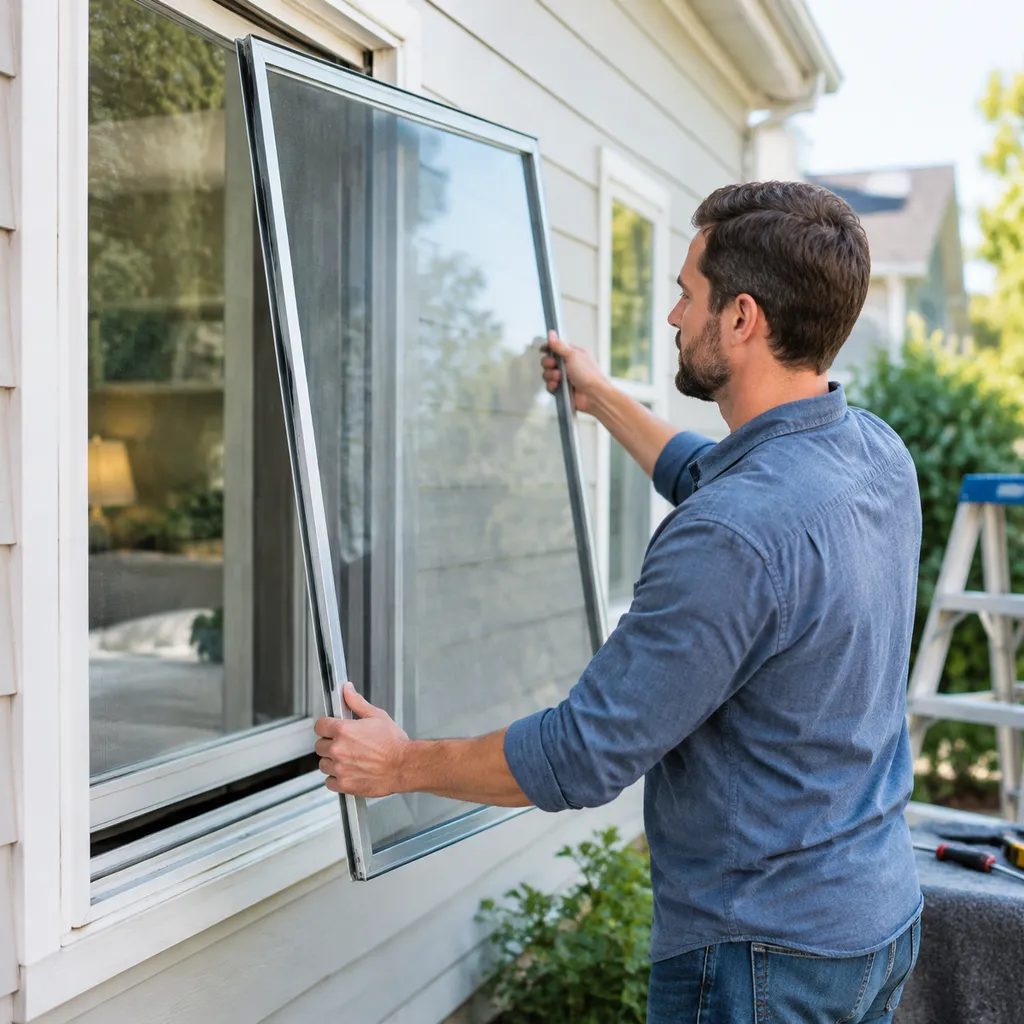
Keeping your aluminum storm windows with removable lower glass and screen working like new takes just a few minutes of seasonal upkeep. When road grit, pollen, and insect debris clog up the tracks, sashes stick, seals fail, and drainage stops working. Here is the straightforward maintenance routine I rely on to keep panels sliding smoothly and lasting for decades.
Cleaning Aluminum Slide Tracks and Sill Drains
Dirt and dead bugs naturally collect in the bottom channels and weep holes. When these pathways block up, trapped rainwater backs up directly into your primary window sill.
-
- Vacuum the channels: Pop out the lower inserts and run a narrow shop-vac crevice tool along the interior and exterior track grooves.
- Scrub out dried grime: Use an old toothbrush dipped in warm, soapy water to dislodge caked mud from corners and slide stops.
- Clear the weep slots: Poke a small zip-tie, wooden toothpick, or piece of wire through the exterior bottom sill weep holes to ensure water flows freely to the outside.
Lubricating Tracks: Use Dry Silicone Only
Never spray standard WD-40, motor oil, or grease into aluminum window channels. Petroleum-based lubricants create a sticky film that attracts road dust, turning into a grinding paste that jams your latches.
-
- The right product: Spray a light coat of dry silicone track lubricant or rub a block of paraffin wax directly along the jamb friction points.
- Application: Wipe away any overspray immediately.
- Cycle the sash: Slide your lower sash up and down three or four times to distribute the dry lubricant evenly across the track guides.
Safe Washing for Removable Glass and Screen Mesh
Because you can remove the lower glass and insect screen completely, you never have to lean precariously out of upper-story windows to clean exterior surfaces.
-
- Removable glass panels: Lay the panel flat on a padded surface, such as an old towel or moving blanket. Clean both sides using a microfiber cloth and a standard vinegar-water mix or non-ammonia glass cleaner. Avoid harsh razor scraping on Low-E coated surfaces.
- Insect screen inserts: Place the screen on a flat deck or lawn. Spray it down gently with a garden hose using low pressure, brush lightly with a soft-bristled car wash brush and mild dish soap, then rinse thoroughly. Let it air dry completely before reinstalling to prevent mold on wood framing.
Best Practices for Off-Season Panel Storage
When swapping out your seasonal panels, improper storage can easily bend the lightweight extruded aluminum frames or shatter the glass inserts.
-
- Store upright, never flat: Lean panels vertically against an interior wall on a rubber mat or carpet scrap. Stacking panels flat risks bowing the bottom frames or cracking glass under dead weight.
- Use protective separators: Place sheets of thick corrugated cardboard or moving blankets between each swapped panel to prevent the aluminum corner gussets of one frame from scratching the glass of another.
- Keep in a dry, low-traffic space: Store seasonal inserts in a closet, utility room, or basement corner away from active foot traffic, kids, pets, and extreme temperature swings.
Troubleshooting Aluminum Storm Windows with Removable Lower Glass and Screen
Even high-performance aluminum storm windows with removable lower glass and screen setups run into occasional operational snags. Weather changes, debris, and regular seasonal swaps can lead to jammed panels, broken latches, or moisture buildup. Here is how I diagnose and resolve the most common issues fast.
Unsticking Jammed Lower Glass Inserts
When a removable lower sash insert refuses to slide smoothly, dirt or oxidation in the aluminum channel is almost always the culprit:
-
- Clear track debris: Vacuum out built-up grit, dead bugs, and old caulking fragments trapped inside the track channels.
- Avoid oily lubes: Never use heavy grease, oil, or standard WD-40, which attracts dirt and gums up the channels.
- Apply dry silicone spray: Coat the inner metal tracks with a dedicated dry silicone track lubricant to restore effortless vertical glide without sticky residue.
- Check frame alignment: Ensure the exterior frame is not pinched inward by overtightened mounting screws.
Replacing Broken Slide Latches and Retainer Pins
The plastic spring-loaded slide latches on a removable glass panel storm window take repeated physical stress during seasonal changeovers. If a latch snaps or loses tension:
-
- Lift the lower panel out of the track frame completely and lay it flat on a padded workbench.
- Back out the retaining corner screws holding the latch assembly inside the bottom sash rail.
- Slide out the fractured latch body and tension spring.
- Insert an exact-match replacement spring latch into the channel, test the thumb-slide movement, and reinstall the mounting screws securely.
Stopping Wind Rattles and Cold Drafts
A loose fit produces annoying rattling on windy days and lets cold air bypass the exterior envelope:
-
- Inspect the weatherstripping: Over time, the wool pile weatherstripping in the side channels compresses or tears away. Replace flattened pile with dense, finned weatherstripping to block drafts.
- Check latch catches: If the slide tabs do not seat fully into the pre-punched jamb slots, file away any burrs or adjust the sash position so the latches seat completely.
- Upgrade primary seals: If drafts persist behind the storm frame, pairing the unit with modern energy efficient single-hung aluminum windows provides an airtight primary barrier that completely halts thermal transfer.
Preventing Condensation Between Primary and Storm Panes
Fogging or moisture between the storm unit and the primary window indicates warm, humid interior air is leaking into the cavity while the storm exterior is sealing too tightly:
-
- Seal interior drafts first: Caulk the interior primary window trim and replace damaged sash locks so warm indoor humidity cannot penetrate the airspace.
- Check weep hole drainage: Ensure the bottom sill weep holes on your aluminum storm windows with removable lower glass and screen remain open to allow trapped condensation to vent and drain outside safely.
Clearing Clogged Sill Weep Holes
Blocked weep slots cause rainwater to pool against the exterior sill, risking rot and frame water damage:
-
- Inspect the bottom outside flange for paint buildup, dirt, or caulking that blocks the weep openings.
- Clear each slot with a small flat blade, wire probe, or blast of compressed air until water flushes cleanly out the front drainage path.
Comparison: Aluminum Storm Windows vs. Vinyl and Wood Storm Options
Choosing the right material for storm protection comes down to structural integrity, weight, and maintenance. When I evaluate exterior window protection, an aluminum storm windows removable lower glass and screen setup regularly outperforms vinyl and traditional timber across long-term exposure tests.
| Feature / Metric | Extruded Aluminum | Rigid Vinyl (PVC) | Traditional Wood |
|---|---|---|---|
| Profile Thickness & Sightline | Ultra-slim, maximum daylight | Bulky, wide frames | Medium to thick profiles |
| UV & Heat Resistance | Zero warping; handles intense sun | Warps or sags in high heat | Resists heat; paint blisters |
| Weight for Sash Removal | Lightweight, rigid handling | Flexible, can twist in tracks | Heavy, cumbersome to lift |
| Maintenance Routine | Occasional wipe-down, no painting | Minimal maintenance | Periodic scraping, priming, painting |
| Expected Lifespan | 30+ years | 15–20 years | 20–40+ years (with upkeep) |
Aluminum vs. Vinyl: Structural Durability and Slim Sightlines
Vinyl frames might seem appealing for a quick fix, but direct sun exposure exposes their flaws. In hot climates, vinyl sashes absorb heat, expand, and bind inside the frame channels, making seasonal swaps frustrating.
Extruded aluminum stays structurally rigid regardless of UV radiation or sudden temperature drops. Because metal provides immense strength at a fraction of the width, an aluminum storm windows removable lower glass and screen assembly yields significantly slimmer sightlines, letting in more natural daylight without sacrificing rigidity.
Aluminum vs. Wood: Upkeep, Weight, and Real Ownership Costs
Traditional wood storm sashes offer classic historic charm, but they come with heavy ownership demands:
Handling weight: Lifting and storing heavy wooden storm panels twice a year strains backs and risks cracked glass.
Moisture rot: Wood absorbs rainwater driven past exterior sills, leading to rot, swelling, and sticking.
Upkeep costs: Wood requires scraping, sanding, and repainting every three to five years to prevent deterioration.
Aluminum eliminates rot entirely. The frames resist moisture corrosion, and the panels slide smoothly on integrated tracks without sticking or swelling after a rainstorm.
When an Aluminum Storm Window with Removable Inserts Is the Optimal Choice
I specify aluminum storm frames with removable inserts when a project demands three practical factors:
1. Preserving existing primary windows: Adding exterior metal protection shields historic wood sashes or standard single-pane windows from wind-driven moisture and UV damage.
2. Easy ground-level and upper-story swaps: The lightweight construction allows single-person removal of the lower glass and insect screen panels from inside the room without climbing exterior ladders.
3. Budget balance and long-term durability: For property owners who want the low maintenance of modern materials alongside the slim, clean lines often found on quality single hung aluminum windows, aluminum storm frames provide decades of service without warping, rusting, or needing repainting.
Frequently Asked Questions
Can I wash the exterior side of the removable lower glass from inside the house?
Yes. That is the main practical advantage of choosing aluminum storm windows with removable lower glass and screen inserts. Once you retract the spring-loaded side latches, lift the lower glass panel up slightly and pull it inward into the room. You can set the sash flat on a towel across a sturdy table to clean both the interior and exterior faces safely indoors—no ladders or exterior climbing required. Whether you are servicing standard units or maintaining a setup paired with aluminum single hung windows, handling the glass from the interior saves substantial time.
Why are the weep holes at the bottom of the aluminum frame left unsealed?
Weep holes provide essential drainage and ventilation:
Moisture escape: Any wind-driven rain, incidental leaks, or window condensation collecting inside the sill track drains out naturally through these bottom openings.
Rot prevention: Caulking over the bottom weep slots traps standing water against your exterior wood sill, accelerating dry rot, frame mildew, and paint peeling.
Air pressure equalization: They equalize pressure between the interior and exterior panes, preventing vacuum suction that draws water inward.
Always caulk the top header and side flanges during installation, but leave the bottom sill flange and weep ports completely unobstructed.
Can I add Low-E glass inserts to my existing aluminum storm window frames?
In most cases, yes. If your existing master tracks and corner corners are structurally square, you can order custom-sized replacement glass inserts glazed with hard-coat Low-E glass. Low-E glass storm panels reflect radiant heat back into your home during winter and reject solar heat during summer, noticeably upgrading the performance of an older removable glass panel storm window without forcing you to replace the entire exterior frame.
How do I replace a bent aluminum screen frame or torn mesh?
Repairing an aluminum screen insert replacement is a fast bench project:
1. Remove the old spline: Pry out the rubber spline running around the frame channel using a small flathead screwdriver or an awl.
2. Inspect the frame: If the extruded aluminum channel is warped or bent out of square, replace that side rail using standard cut-to-length screen frame stock and corner keys.
3. Roll in new mesh: Lay new fiberglass insect screen mesh or aluminum wire over the open frame, clamp it flat, and press new vinyl spline into the groove using a dual-wheel screen rolling tool.
4. Trim excess: Cut off the surplus wire or mesh cleanly with a fresh utility blade held at a 45-degree angle along the outer edge of the track.
Do aluminum storm windows qualify for home energy tax credits?
Yes, provided they meet regional efficiency ratings. Under current energy-efficiency guidelines, qualifying exterior storm windows certified with an Energy Star label or verified by the Attachment Energy Rating Council (AERC)—typically those built with Low-E glass coatings—can qualify for residential clean energy tax credits. Always check the manufacturer certification statement and keep your purchase receipt to claim the credit on your annual tax filing.