

Will Storm Windows Keep My Aluminum Windows From Sweating?
Yes, installing storm windows will significantly reduce or even eliminate aluminum window sweating. Storm windows create an insulating buffer of dead air between the cold outdoor air and your primary window. This air space dramatically raises the interior frame’s surface temperature above the indoor dew point window condensation threshold.
However, understanding why condensation happens in the first place is the key to solving moisture problems permanently.
Why Aluminum Window Frames Sweat in Cold Weather
When winter temperatures drop, standard aluminum frames quickly become cold to the touch. If you see water beads running down your metal frames, you are dealing with a direct clash between indoor humidity and thermal conductivity.
High Thermal Conductivity and Thermal Bridging
Standard aluminum is a metal with exceptionally high thermal conductivity. In older or non-insulated window profiles, there is no barrier to separate the exterior aluminum from the interior aluminum.
Thermal bridging occurs as heat rapidly escapes outward, allowing freezing exterior temperatures to transfer directly through the frame to the inside of your home.
This leaves the interior surface of your window sash and frame nearly as cold as the outside air.
Indoor Relative Humidity and Dew Point
Condensation is a basic law of building physics:
Warm indoor air naturally holds moisture from everyday activities like cooking, showering, and breathing.
The dew point is the exact temperature at which air becomes saturated and can no longer hold water vapor.
When warm, humid indoor air touches an uninsulated, freezing-cold aluminum frame, the local air temperature instantly crashes below its dew point. The vapor immediately liquefies into aluminum window frame condensation.
Risks of Ignored Window Sweat
Treating window sweating as a minor nuisance rather than a moisture hazard can lead to expensive structural damage:
Toxic Mold and Mildew: Persistent moisture along window tracks and sashes creates an ideal breeding ground for black mold, degrading your indoor air quality.
Sill and Subfloor Rot: Water dripping off the metal frame seeps into wooden sills, studs, and surrounding subflooring, triggering hidden rot.
Drywall and Paint Damage: Continuous moisture saturation bubbles interior paint, stains trim, and weakens the drywall directly beneath your windows.
How Storm Windows Stop Aluminum Frames from Sweating
If you are dealing with puddles on your sills every winter, adding storm panels is one of the most effective ways to stop aluminum windows from sweating. A storm window acts as a secondary protective shield over your existing unit, directly altering the thermal environment around the cold metal frames.
[ Outdoor Freezing Air ] ---> | Storm Window | ---> [ Trapped Dead-Air Buffer ] ---> | Warmer Aluminum Frame | (No Sweating)
Here is the exact mechanical process of how storm units control and prevent aluminum window frame condensation:
-
- Creating a Dead-Air Insulating Buffer: When you install an interior or exterior storm sash, you trap a sealed pocket of still air between the primary window and the storm pane. Still air is a poor conductor of heat. This pocket dramatically slows down thermal transfer, insulating the conductive aluminum from exterior temperature swings.
- Raising Interior Frame Temperatures Above the Dew Point: Condensation occurs the second warm, humid indoor air touches a surface cooled to or below the dew point. The insulating dead-air gap keeps the interior aluminum sash significantly warmer than it would be when exposed directly to outdoor freezes. When the metal stays above the indoor dew point window condensation threshold, water vapor remains suspended in the air rather than liquifying on your frame.
- Cutting Air Infiltration and Cold Drafts: Older aluminum frames frequently suffer from worn weatherstripping and leaky sash tracks. Cold drafts washing over the frame rapidly drop the metal's surface temperature. Adding a tightly sealed storm unit cuts air leakage, eliminates localized wind chills, and stabilizes the microclimate around the window opening.
- Boosting Overall Thermal Performance: Upgrading to panels with Low-E storm window insulation reflects radiant heat back into your living space, further increasing the temperature of the frame and cutting overall heat loss.
Understanding your retrofit options and reviewing aluminum storm windows prices and how to improve them allows you to select the right storm setup to seal drafts, raise frame temperatures, and effectively reduce window moisture in winter.
Interior vs. Exterior Storm Windows for Moisture Control
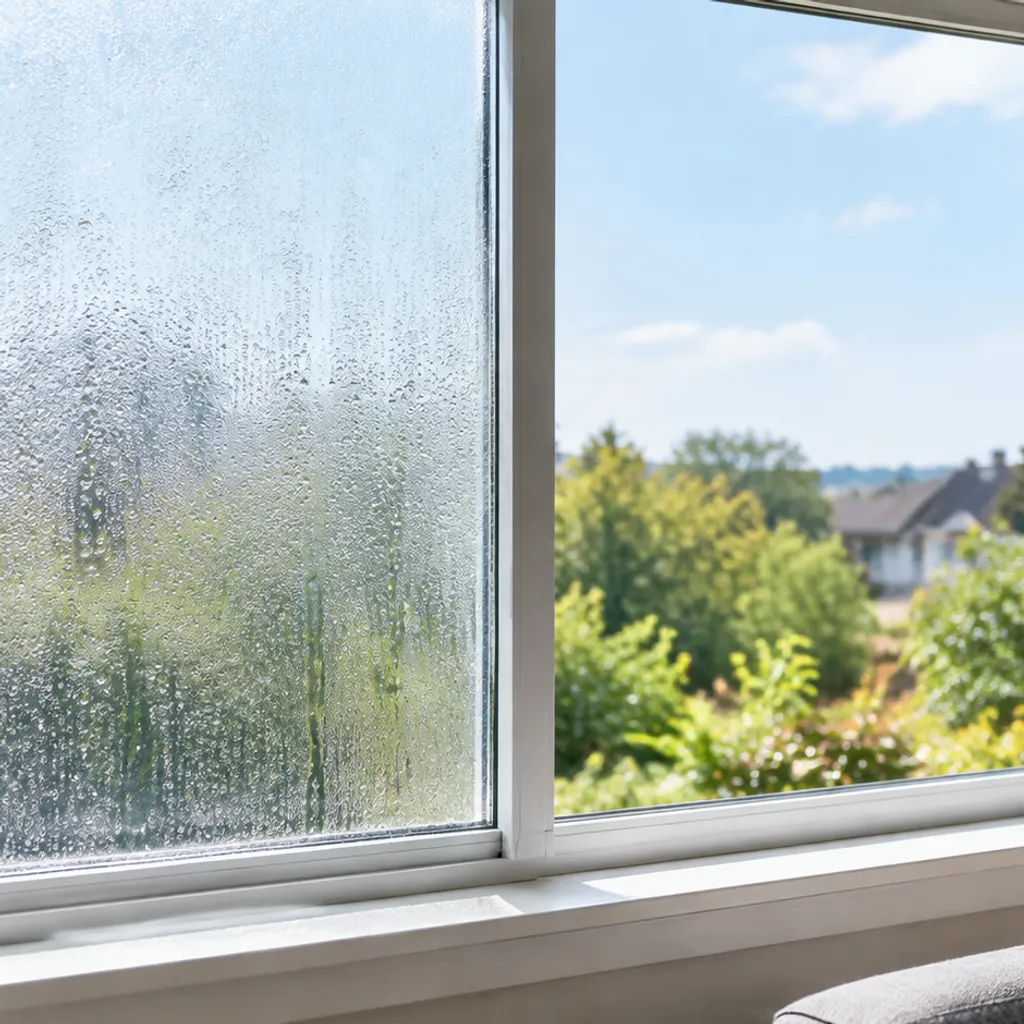
When deciding how to stop aluminum windows from sweating, choosing between interior and exterior storm units comes down to how each handles air pressure and moisture movement. Both styles create an insulating thermal barrier, but they tackle condensation control from different sides of the glass.
Interior Storm Windows: Blocking Humid Indoor Air
Interior storm panels act as a vapor barrier inside the room. They physically stop warm, humid household air from ever contacting cold primary aluminum frames.
-
- Airtight Magnetic and Compression Seals: High-grade interior panels use magnetic tracks or flexible silicone compression gaskets that press tightly against the existing window jamb. This creates a secure seal that locks indoor humidity out of the window cavity.
- Warm Surface Temperatures: Because the storm pane faces the heated room, its surface stays well above the dew point, effectively preventing interior storm windows condensation under normal living conditions.
Exterior Storm Windows: Blocking Wind Chills and Cold Air
Exterior storm windows mount to the outside frame to shield the primary window from freezing ambient temperatures, heavy wind loads, and driving weather.
-
- Buffering the Thermal Shock: Installing durable aluminum storm windows with screens cuts direct exterior wind exposure, keeping the main window sash warmer and less prone to sweating.
- The Critical Role of Weep Holes: Exterior storm frames must have clear, functional weep holes along the bottom track. If warm indoor air escapes past the prime window into the cavity, condensation will form inside the gap. Open weep holes allow accumulated drainage and air exchange to vent that trapped moisture outdoors before it pools on wooden sills or rots the drywall.
Why Storm Windows Sometimes Fail to Stop Condensation
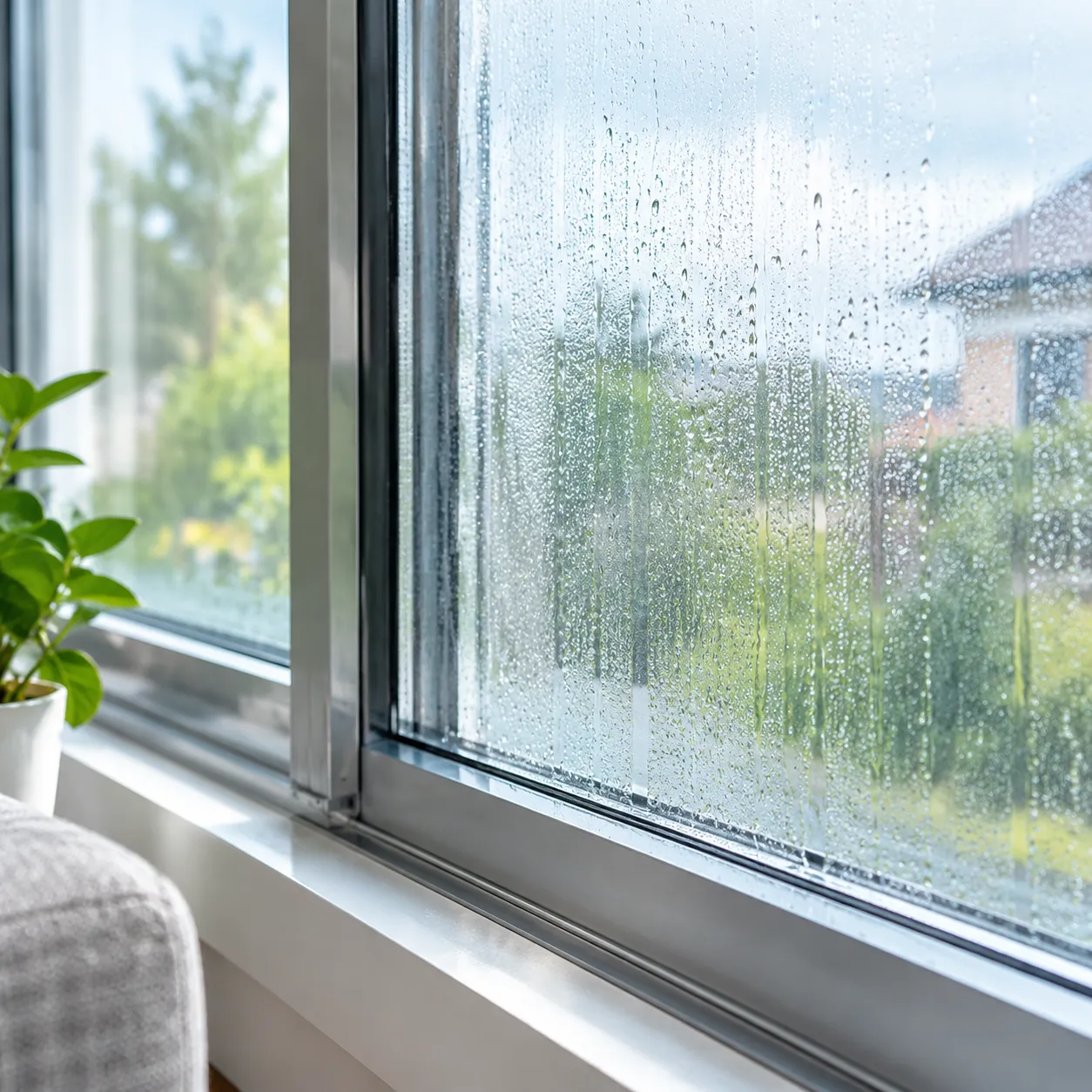
If your aluminum frames continue sweating after installing storm panels, the issue typically comes down to four specific failure points:
1. Indoor Relative Humidity Levels Exceeding 40% to 50%
When outside temperatures drop below freezing, indoor air holding high levels of moisture will condense on virtually any surface that is slightly cooler than the room. If your indoor relative humidity levels stay above 40% to 50% during deep winter freezes, the dew point rises significantly. Even with storm windows raising the frame temperature by several degrees, the metal remains cold enough to trigger persistent aluminum window frame condensation.
2. Warm Air Leaking Past Prime Sashes into the Gap
For storm assemblies to work correctly, air movement must be strictly controlled:
Interior storms require a 100% airtight seal against the room to prevent indoor humidity from reaching the cold prime window.
Exterior storms require the prime window itself to be tightly weatherstripped.
When warm, moisture-laden indoor air leaks past loose prime sashes and enters the dead-air cavity between the two windows, that trapped vapor instantly condenses against the freezing outer storm glass and puddle onto the sill.
3. Clogged Exterior Storm Window Weep Holes
Exterior storm windows rely on small drainage passages called weep holes at the bottom of the frame. These openings serve two essential functions:
They allow accumulated condensation or wind-driven rain to drain outdoors.
They equalize pressure and vent trace vapor to the outside air.
If paint, dirt, or caulking plugs these storm window weep holes, trapped moisture cannot escape. The trapped humidity recirculates within the window pocket, causing constant sweating, wood sill rot, and frame corrosion.
4. Exposed Aluminum Flanges and Sills Bypassing Insulation
Standard aluminum extrusions act as direct thermal highways. In many retrofit installations, storm windows cover only the movable sash area, leaving the outer mounting flange, head jamb, or sub-sill exposed to open air. Exterior freezing temperatures travel directly through this continuous metal pathway via thermal bridging, keeping the interior aluminum freezing cold regardless of the glass insulation.
When structural metal bypasses secondary barriers like this, upgrading to fully insulated aluminum windows built with structural thermal barriers is the only permanent way to eliminate frame sweating.
Storm Windows vs. Modern Thermally Broken Aluminum Windows
While adding storm panels offers a functional retrofit to reduce condensation, it remains a secondary layer over an inherently conductive frame. If you want to eliminate moisture issues permanently without the hassle of multi-layer frame maintenance, upgrading to factory-engineered thermal break aluminum windows addresses the root physics of heat loss.
Here is a direct performance breakdown comparing traditional storm window retrofits with modern thermally broken systems:
| Feature / Metric | Standard Aluminum + Storm Window | Modern Thermally Broken Aluminum Window |
|---|---|---|
| Condensation Resistance Factor (CRF) | Moderate (CRF 35 – 48) | High (CRF 60 – 75+) |
| Average U-Factor (Insulation Value) | 0.50 – 0.65 BTU/h·ft²·°F | 0.22 – 0.32 BTU/h·ft²·°F (Lower is better) |
| Frame Thermal Bridging | Still present along uninsulated prime frame edges | Completely eliminated via structural insulating barrier |
| Glass Configuration | Two independent single panes with open cavity | Factory-sealed double or triple Insulated Glass Units (IGU) |
| Air & Water Infiltration | Relies on dual sash alignment and weep paths | Multi-layer EPDM compression seals and multi-point locking |
| Maintenance & Longevity | High; cleaning trapped dirt and clearing weep holes | Low; structural lifespan exceeding 30+ years |
How Polyamide PA66 Thermal Breaks Eliminate Thermal Bridging
Standard aluminum extrusions act as direct conductors, transferring outdoor winter temperatures straight into your living space. In our manufacturing process, we split the exterior and interior aluminum extrusions and mechanically lock a reinforced Polyamide (PA66) thermal barrier between them.
Because polyamide has a thermal conductivity rate roughly 500 times lower than aluminum, it stops thermal bridging in its tracks. The interior aluminum profile stays warm and dry—matching your room's ambient temperature—which keeps the metal surface well above the dew point even during sub-zero cold snaps.
Advanced Glazing: Double and Triple IGUs with Warm-Edge Spacers
Upgrading to modern window engineering also overhauls the glass performance:
-
- Multi-Chamber Insulated Glass Units (IGU): Factory-sealed dual or triple-pane glass insulated with 90%+ Argon gas fill dramatically outperforms loose air pockets between storm sashes.
- Low-E Coatings: Microscopic metallic coatings reflect radiant heat back indoors during winter while blocking summer solar heat gain.
- Warm-Edge Spacers: Instead of traditional conductive aluminum glass spacers that trigger condensation rings around the glass perimeter, composite warm-edge spacers insulate the critical glass-to-frame boundary.
For homeowners replacing drafty, weeping fenestration, purpose-built systems like architectural awning windows or high-sealing sliding windows deliver airtight weatherstripping and integrated condensation control without needing auxiliary storm panels.
Practical Action Plan to Stop Window Sweating Immediately
If you are dealing with water pooling on your sills every morning, you need effective ways to control the moisture right away while deciding if secondary panels or complete replacements make the most sense for your property. Here is the step-by-step approach we recommend to control sweat on metal frames.
1. Target Winter Indoor Humidity Levels
The fastest way to lower the indoor dew point is to reduce ambient moisture:
Run exhaust fans: Keep kitchen and bathroom exhaust fans running for at least 15 to 20 minutes after cooking or showering to expel moisture-laden air.
Deploy dehumidifiers: Position portable or whole-house dehumidifiers in problem rooms to keep indoor relative humidity between 30% and 40% during sub-freezing weather.
Shut off humidifiers: Turn down or disconnect central furnace humidifiers as outdoor temperatures plunge below freezing.
2. Improve Air Circulation Across Glass and Sills
Stagnant air pockets against cold glass allow local relative humidity to spike, accelerating condensation:
Open heavy window treatments: Raise blinds and draw back heavy drapes during cold snaps to allow warmer indoor air to wash over the aluminum sills.
Use ceiling and oscillating fans: Run ceiling fans on low in a clockwise direction to push warm ceiling air down exterior walls.
Keep supply vents clear: Ensure floor or wall HVAC registers pointing toward perimeter windows are unobstructed.
3. Seal Drafty Sash Gaps
Cold air sneaking past degraded seals chills the interior frame even faster:
Apply closed-cell foam or silicone weatherstripping: Seal the contact zones where the operable sash meets the prime frame to prevent drafts.
Inspect exterior perimeter caulking: Check the perimeter sealant around your exterior window casing and reapply high-grade neutral-cure silicone where cracks appear. Check our practical guidelines on window installation and maintenance to inspect and maintain frame seals properly.
4. Evaluate Retrofit Costs vs. Modern Window Upgrades
While storm panels and moisture-control habits provide immediate relief, standard non-insulated frames will always conduct cold:
| Strategy | Upfront Cost | Moisture Reduction | Long-Term Durability |
|---|---|---|---|
| Active Humidity Control | Low (DIY / Fans) | Moderate (Dew-point dependent) | Ongoing operational effort |
| Secondary Storm Windows | Medium | High (If properly sealed & ventilated) | 5–10 years (Requires cleaning & upkeep) |
| Thermally Broken Replacement | Higher initial investment | Complete frame condensation elimination | 25+ years (Permanent architectural solution) |
If you find that storm windows still leave exposed aluminum sills sweating, upgrading to factory-engineered energy-efficient single-hung aluminum windows equipped with structural Polyamide (PA66) thermal breaks and insulated glass units provides a permanent, zero-maintenance architectural solution.
Frequently Asked Questions About Aluminum Window Sweating
Will storm windows completely stop condensation on single-pane aluminum?
Storm windows significantly reduce sweating by creating an insulating air pocket that warms the inner glass and sash. However, they may not eliminate 100% of the condensation if the original metal frame has no thermal isolation or if indoor humidity remains high. Standard aluminum conducts cold directly around the perimeter, meaning exposed interior metal can still reach the dew point during extreme freezes. For a complete, permanent fix, upgrading to durable energy-efficient aluminum single-hung windows engineered with built-in Polyamide thermal breaks and double-pane insulated glass is the most reliable path.
Why is moisture forming between my storm window and prime window?
Moisture trapped between the two window layers usually points to one of two issues:
Air leakage from inside: Warm, humid room air is slipping past worn weatherstripping on your primary window and condensing against the cold outer storm glass.
Clogged storm window weep holes: Exterior storm units need clear weep holes at the bottom sill to let trapped moisture drain and equalize pressure. If these are caulked over or filled with debris, water vapor gets trapped inside the cavity.
What indoor humidity level should I maintain during freezing weather?
When outdoor temperatures drop below freezing, we recommend keeping your indoor relative humidity between 25% and 35%. When outdoor temps drop below 0°F (-18°C), dropping indoor humidity below 25% helps prevent window sweating. Even modern insulated windows will experience surface moisture if indoor air exceeds 45% relative humidity in sub-zero weather.
Are interior storm windows better than exterior ones for preventing sweat?
For strictly managing condensation, interior storm windows often perform better. They seal directly against the interior frame using magnetic or tight compression gaskets, which locks warm, humid room air away from the cold aluminum prime frame. Exterior storm windows are excellent for blocking wind chills and weather, but if warm indoor air leaks into the gap, moisture can still settle between the panes.