
What Are Aluminum Storm Window Weep Holes?
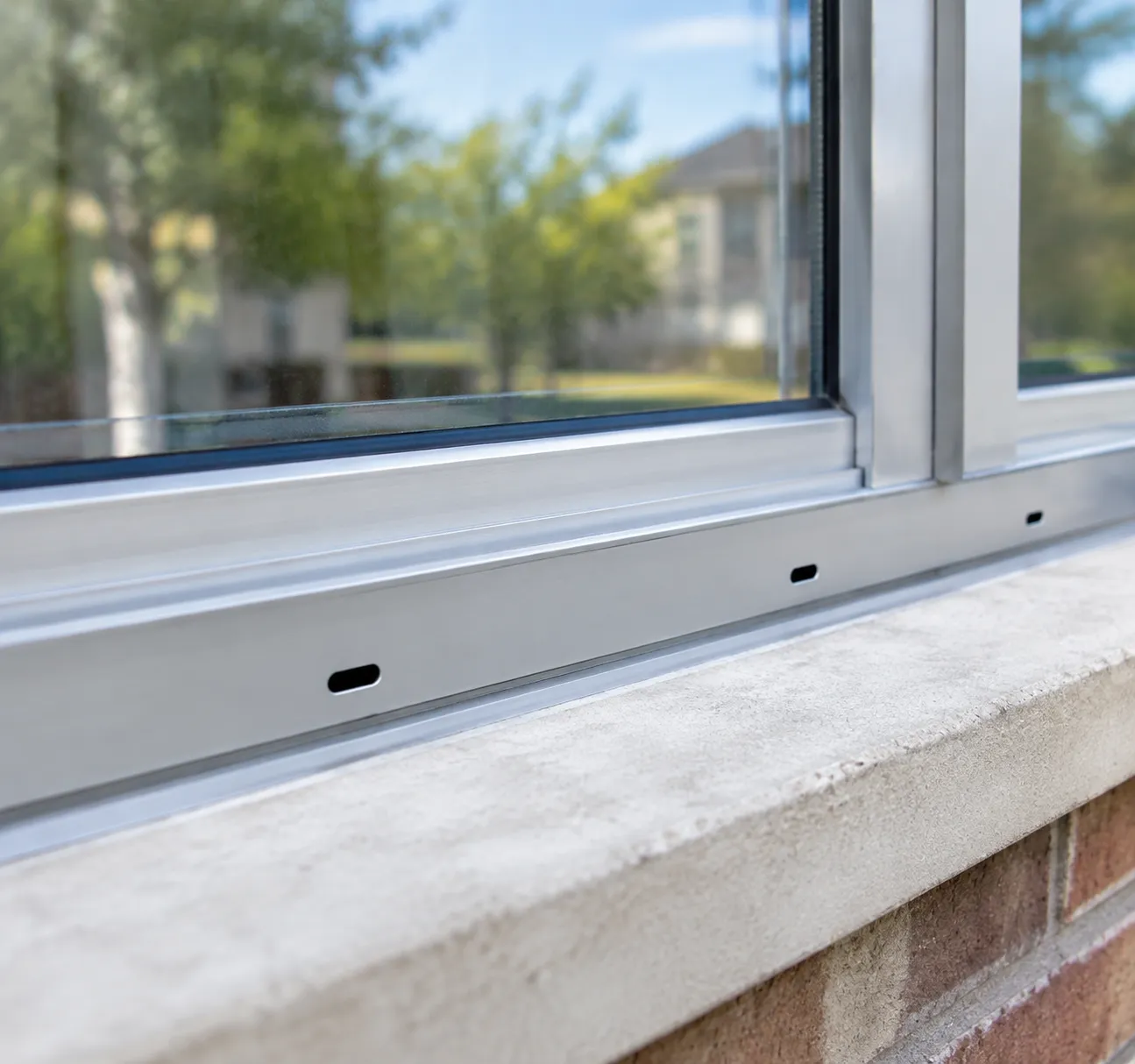
Aluminum storm window weep holes are precision-cut drainage openings engineered into the bottom of a storm window frame. They serve a simple, vital purpose: providing a direct exit route for water that penetrates the exterior screen or glass panels.
Storm windows do not form an impermeable, submarine-tight seal against the elements. Instead, they act as a drainage plane. When wind-driven rain, melting ice, or interior condensation collects inside the metal channel, these small drainage passages channel the water outside before it can breach your primary window sill.
Purpose of Drainage Slots in Window Tracks
The track system of an aluminum storm window naturally catches runoff. Without an engineered outlet, pooled water quickly turns into a serious structural liability.
-
- Prevents Water Pooling: Drainage slots stop standing water from building up inside the lower track during heavy downpours.
- Channels Condensation: Temperature differences between the primary sash and the storm panel create indoor sweating; weep slots safely exhaust that moisture outside.
- Shields the Primary Sill: By directing runoff onto the exterior drop, the slots keep your home's original wood or masonry dry and rot-free.
Where to Find Weep Holes on the Frame
You will find weep holes located on the lowermost horizontal extrusion of the storm window frame, known as the bottom expander or sill rail.
-
- Exterior face: Look closely at the outside bottom edge facing the street or yard.
- Shape and profile: They usually appear as small, horizontal rectangular cutouts, drilled ovals, or narrow offset slits about 1/2 inch to 1 inch wide.
- Bottom gap design: Some models do not have punched holes on the front face; instead, they feature intentional, notched corner cutouts on the bottom underside resting right above the exterior sill.
Why Aluminum Storm Windows Need Drainage
Metal frames transfer heat rapidly and withstand intense exterior pressure. This profile creates two major moisture challenges: heavy external runoff and intense condensation on the inside pane.
If water sits trapped in an aluminum track with nowhere to escape, surface tension keeps it locked against your building materials. Over time, that trapped water wicks into the primary wooden frame, rusts metal fasteners, fuels toxic mold growth, and can even freeze, expanding to warp the aluminum frame itself. A clear, functional drainage path is the only thing standing between a properly protected home and severe structural water damage.
How Storm Window Weep Holes Work
How Water Enters the Track by Design
Wind-driven rain, running surface runoff, and condensation naturally bypass the outer glass and screen inserts. We design these units knowing water will penetrate the exterior seams during heavy storms.
Rather than trapping that liquid, the bottom track acts as a collection basin. The channel catches the runoff before it can reach the primary window frame or seep into the wall cavity behind it.
The Bottom Gap and Exterior Drainage Path
Once water settles in the bottom track, gravity takes over. The frame relies on a clear exit route to push that water out:
-
- Sill slope: The window sits on a slightly sloped sill that naturally urges water forward toward the outside.
- The bottom gap: Installers leave a tiny uncaulked gap along the bottom rail, or rely on precut slots in the frame.
- Weep hole exits: These openings sit at the lowest point of the frame, giving the trapped water an immediate path out onto the exterior window sill.
When rain hits the window, it runs down the glass, drops straight into the sill channel, passes through the weep openings, and drains onto the exterior sill away from your home.
Normal Moisture vs. a Drainage Problem
A wet channel during a storm is completely normal. Standing water hours after the clouds clear is not. Understanding whether you are dealing with seasonal air temperature shifts or a blockage helps pinpoint the issue—learn more about how storm windows stop aluminum windows from sweating to identify interior moisture versus runoff.
Use this quick guide to evaluate what is happening in your window tracks:
-
- Normal drainage: Water collects in the aluminum track during active rainfall but exits through the slots within minutes after the rain stops.
- Normal condensation: Light misting or tiny droplets on the glass surface that dry out naturally as the sun warms the metal.
- Drainage problem: Water pools higher than the track lips, backs up toward the interior wood sill, or stays stagnant for days after a storm.
- Overflow danger: Bubbling paint, soft wood trim, or moisture staining beneath the storm window frame indicate that water is trapped and finding an alternate route into the house.
Should You Cover or Seal Aluminum Storm Window Weep Holes?
The short answer is no. You should never caulk, seal, or tape shut the weep holes on your storm windows.
While it might be tempting to plug these small slots to block winter drafts or keep bugs out, doing so creates an expensive moisture trap. We design and install aluminum storm windows weep holes specifically to evacuate water. Closing them off works against the physics of exterior window sill drainage and guarantees future water damage.
Why Weep Holes Must Stay Open
When rain strikes the glass or condensation trickles down the frame, gravity pulls that liquid into the lower sill track. Open drainage slots allow that accumulated moisture to escape safely to the exterior.
Sealing these channels causes immediate issues:
Hidden wood rot: Standing water overflows the storm frame track and seeps directly into the primary wooden window sill and wall framing.
Mold and mildew growth: Stagnant water trapped behind the glass creates high humidity, ruining paint and fostering spores.
Freeze-thaw expansion: In sub-zero weather, pooled water freezes, expands, and bends the aluminum storm frame or cracks the glass.
Fastener corrosion: Screws and mounting brackets sitting in constant standing water rapidly rust and loosen.
When a Weep Hole Cover or Deflector Makes Sense
Leaving the slots open does not mean leaving them completely unprotected. Installing proper aluminum frame weep hole covers or deflectors is the ideal way to balance drainage and pest control.
Here is when adding a cover makes practical sense:
Preventing insect nests: Mud daubers, spiders, and wasps frequently crawl into open slots to nest. A snap-in mesh cover or drainage baffle lets water drip out while physically barring bugs.
Blocking wind-driven rain: On high-exposure or coastal walls, heavy wind can push water backward through flat openings. A hooded weep hole deflector directs exterior gusts away, letting gravity do its job.
Minimizing drafts: Many factory weep hole covers use small, one-way flapper doors that push open under the weight of water, then snap closed against drafts when dry.
Materials and Mistakes to Avoid
Homeowners often unknowingly ruin their storm window drainage during routine painting, weatherproofing, or seasonal cleaning. Avoid these common blunders:
-
- Exterior caulk across the bottom: Never run a bead of silicone or acrylic caulk along the bottom exterior flange of your storm frame. Caulk the top and side perimeters only, leaving the bottom gap fully open for drainage.
- Expanding foam: Never shoot spray foam beneath the storm sill to stop a breeze; it will expand into the track and permanently glue the weep channels shut.
- Heavy paint buildup: When repainting exterior trims or window sills, mask the drainage slots. Multiple coats of thick exterior paint can easily bridge the slot and form a watertight plug.
- Sticky adhesives and duct tape: Taping over weep holes during the winter months leaves gummy residues that collect road dust and pet dander, ensuring a stubborn clog once spring rain arrives.
When servicing the frame, clear away debris before wiping down the bottom rail. Keeping sashes operating smoothly with the best lubricant for aluminum storm windows helps prevent excessive sash vibration, which can loosen plastic clip-in weep deflectors or knock dirt loose into the drainage track.
How to Clean Aluminum Storm Window Weep Holes

Essential Tools and Supplies
Before starting, gather these simple household items:
-
- Flexible probe: A plastic zip tie, pipe cleaner, or thin piece of coated copper wire (avoid rigid screwdrivers that can scratch powder-coated aluminum).
- Detail brush: A stiff-bristled toothbrush or nylon utility brush.
- Shop vacuum or canned air: To remove dry dust and dislodged grit.
- Warm soapy water: Mild liquid dish soap mixed with tap water in a squirt bottle or cup.
- Clean microfiber cloth: For wiping down the exterior window sill drainage area.
Step-by-Step Safe Cleaning Method
Follow this sequence to clear the drainage channel without scratching the metal or pushing clogs deeper:
-
- Vacuum the interior track: Raise the storm sash and vacuum all loose dust, leaves, and dead bugs from the inner sill. This prevents you from washing dry debris into the weep slots during cleaning.
- Clear the outer drain openings: Locate the exterior slots on the outside bottom frame. Use your nylon brush to scrub away dried mud, pollen, and spider webs around the rim of each opening.
- Probe the drainage channel: Gently insert your zip tie or flexible wire directly into the weep hole. Push it through until it clears the sill channel, twisting slightly to break up packed dirt. Do this from both the outside slot and the inside track channel.
- Blow out loosened grit: Use short bursts of compressed air through the slot to blast out loose fragments of dirt and nest material.
- Wipe down the frame: Clean the perimeter with a damp cloth to lift lingering grime.
Testing Window Drainage with Water
Never assume a weep hole is fully clear just because the opening looks empty. Hidden clogs can sit midway through the sill extrusion.
To test the flow:
-
- Pour half a cup of clean water directly into the storm window’s bottom track.
- Step outside and check the exterior weep slots immediately.
- Pass: Water exits in a steady, unbroken stream and empties the track within seconds.
- Fail: Water pools, drains at a slow trickle, or stays trapped in the track.
If water fails to exit, reinsert your flexible wire while the track is wet to break up the softened plug, then flush again with warm water. If chronic blockages persist due to warped framing or narrow factory slots, upgrading to engineered aluminum storm windows with screens ensures proper water diversion through wider, precision-milled drainage routes.
Recommended Cleaning Schedule
We recommend unclogging storm window drains on a predictable semi-annual routine:
-
- Early Spring: Clear out winter road salt, decayed leaves, and soot before heavy seasonal rain begins.
- Late Autumn: Clean out tree pollen, insect debris, and seeds before freezing temperatures turn trapped track water into expanding ice.
- Post-Storm Spot Checks: Inspect lower-story frames after severe windstorms, hail, or heavy leaf falls to ensure the drainage slots remain completely unobstructed.
Common Causes of Clogged Storm Window Drainage
When water backs up in an exterior track, the drainage path is almost always obstructed. In our experience inspecting exterior window frames, aluminum storm windows weep holes fail to drain properly due to a few common culprits:
-
- Dirt, leaves, and organic debris: Windblown soil, decaying leaves, pollen, and roof grit wash down the glass and settle straight into the bottom track. Over time, this slurry hardens into a thick sludge that completely blocks the narrow storm window drainage slots.
- Insect nests and spider webs: Mud daubers, wasps, and spiders view small frame openings as ideal nesting cavities. Mud plugs and dense web clusters trap dirt particles, creating an impenetrable barrier against draining water.
- Accidental caulk, paint, and sealant blockages: This is the most frequent DIY mistake we encounter. Painters often brush thick exterior paint over the lower frame edges, or installers caulk the entire bottom sill shut. Following regular window installation and maintenance protocols prevents accidentally sealing off these vital drainage channels.
- Freezing temperatures, snow, and ice: Winter freeze-thaw cycles create surface ice dams along the bottom exterior track. Snow melts off the warm interior pane, runs down, and refreezes instantly over the cold aluminum weep holes, trapping standing water inside.
- Bent frames and misaligned components: Aluminum can warp or dent from ladders, impact, or house settling. Even a slight upward bow in the bottom track reverses the pitch, preventing water from reaching the slots and causing persistent water buildup in the window track.
Why Water Leaks Around an Aluminum Storm Window
When water pools inside your home around a storm frame, the source is rarely mystery rain soaking through solid glass. In our experience, water intrusion traces back to five distinct drainage or installation failures.
Blocked Weep Holes Backing Up Water
The most frequent culprit is a clogged drainage path. When dirt, grit, and dead leaves seal your aluminum storm windows weep holes, incoming rainwater has nowhere to go.
-
- The exterior track acts as an open trough.
- As rainfall accumulates, water fills the sill reservoir.
- Without open drainage slots, the rising water spills over the interior track edge and leaks directly onto your inside sill and drywall.
Improper Storm Window Installation
We often find that well-intentioned installers inadvertently destroy the drainage system. During installation, the top and side flanges must be caulked tightly against the blind stop, but the storm window bottom gap must stay completely uncaulked.
Caulking the bottom edge seals the weep passages against the exterior sill, trapping trapped rainwater permanently. Much like the design seen in primary aluminum sliding windows, storm systems depend on unobstructed, downward gravity tracks to direct water out.
Failed Perimeter Sealant
While the bottom stays open, the top and side edges require an airtight, watertight exterior seal. When exterior perimeter caulk cracks, shrinks, or peels:
Wind-driven rain drives behind the aluminum frame.
Water bypasses the drainage channels completely.
Moisture travels down the structural framing behind your trim rather than exiting the tracks.
Rotten Sills and Wall Leaks
If an older wood sill beneath the aluminum frame is already soft or decayed, water will seep directly through the wood fibers. The storm window may be shedding water correctly, but hidden rot or poorly flashed siding above the window header pulls water behind the entire assembly, mimicking a faulty window track.
Interior Condensation Buildup
Not every puddle is a rain leak. In colder weather, warm, moist household air easily escapes past loose primary sash panes and hits the cold exterior aluminum glass.
Without functional weep holes to allow airflow and window condensation drainage, heavy condensation forms on the inner face of the storm glass, runs down the glass pane, and pools across the stool and apron.
Troubleshooting Checklist for Storm Window Drainage Problems
When water pools where it shouldn't, finding the source takes only a few minutes with a systematic check. We recommend working from the exterior track inward to spot why your aluminum storm windows weep holes have stopped draining effectively.
Quick Inspection Checklist
Before grabbing specialized tools, run through this practical assessment on your storm window assembly:
-
- Examine the exterior weep slots: Look closely at the bottom exterior frame corners for accumulated dirt, dried paint, insect casings, or dead leaves blocking the storm window drainage slots.
- Inspect the bottom flange: Confirm that the bottom edge of the aluminum frame remains uncaulked. A sealed bottom rail traps water against the main window sill.
- Check the bottom track reservoir: Open the storm sash and look down into the sill track. Heavy silt or standing water indicates the drainage path is pinched or clogged.
- Verify frame level and alignment: Ensure the bottom frame sits level or tilts slightly toward the exterior. Sagging sill headers can reverse the natural slope and pull water indoors.
- Assess sash seating: Verify that sliding sashes sit square within their tracks without pinching the weep chambers shut.
Drainage Symptoms, Causes, and Fixes
Use this diagnostic reference to identify what is driving your drainage issues and apply the proper fix immediately:
| Drainage Symptom | Root Cause | Recommended Fix |
|---|---|---|
| Water buildup in window track after moderate rain | Blocked weep holes from garden debris, silt, or bug nests | Clear the slots with a thin wire probe, vacuum the track, and flush with clean water. |
| Water overflowing onto the interior wood sill | The exterior bottom flange was completely sealed with caulk during installation | Scrape away caulk along the bottom exterior edge to restore the storm window bottom gap. |
| Moisture lingering between storm and primary glass | Weep holes are partially plugged; condensate cannot vent or escape | Perform regular unclogging of storm window drains to promote continuous passive airflow and drainage. |
| Water running down interior drywall beneath the frame | Frame distortion or rotted wood sill underneath holding water | Level the sill; if the frame is irreparably bent, replace the unit with precision-built aluminum single-hung windows designed for durable performance. |
| Bubbling paint or mold behind the storm frame | Inverted slope or failed top/side perimeter caulk directing runoff behind the frame | Re-caulk the top and side exterior perimeters while leaving the bottom weep areas open to daylight. |
If clearing the channels reveals bent metal, degraded seals, or frame warping that pinches the drainage channel permanently, retrofitting with standard energy-efficient 32x60 single-hung aluminum windows will eliminate chronic water retention and protect the underlying structure.
When to Repair vs. Replace an Aluminum Storm Window
Deciding whether to salvage your current setup or invest in a new unit comes down to frame integrity and drainage performance. If water backs up because your aluminum storm windows weep holes are blocked, a simple tune-up usually solves the issue. However, structural damage to the metal requires a permanent upgrade.
Signs an Aluminum Frame Can Be Repaired
Most drainage and draft issues can be resolved without removing the window. We recommend simple aluminum storm window repair when the primary structure remains sound:
-
- Surface Clogs: Debris, paint, or old caulk blocking the weep slots that can be cleared out with a wire or putty knife.
- Worn Weatherstripping: Gaskets that have dried out or flattened, allowing extra water into the sill track.
- Loose Screws or Minor Gaps: Frame fasteners that need tightening to pull the window flush against the exterior casing.
- Failed Perimeter Sealant: Old exterior caulk along the top and side flanges that can be scraped away and resealed.
When Full Replacement Is the Smarter Choice
When the metal itself fails, drainage paths stop working. We advise swapping out the unit for a new replacement aluminum storm window frame under these conditions:
-
- Bent or Warped Tracks: If impacts or thermal expansion have bowed the bottom rail, water pools away from the weep slots and seeps into the wood sill.
- Severe Aluminum Oxidation: Heavy white rust and pitting that eat through the metal or fuse the sliding sashes in place.
- Subframe Wood Rot: Concealed leaks that have rotted the underlying blind stop or sill, requiring complete window removal to fix the structural timber.
- Cracked Corner Joints: Separated frame corners that let driving rain bypass the sill track completely.
| Issue Diagnosed | Recommended Action | Typical Fix |
|---|---|---|
| Blocked weep slots | Repair | Clear debris, flush track with water |
| Cracked exterior caulk | Repair | Scrape old sealant, apply new exterior bead |
| Twisted bottom rail | Replace | Install a new custom aluminum unit |
| Corroded, jammed tracks | Replace | Upgrade to smooth-sliding modern frames |
| Rotted exterior sill | Replace | Rebuild sill framing, install new storm frame |
Benefits of an Upgraded Aluminum Storm Window
Modern manufacturing has eliminated many of the drainage flaws found in vintage installations. Upgrading to high-performance units—such as modern aluminum single-hung windows—delivers substantial structural and maintenance advantages:
-
- Engineered Drainage Channels: Precision-punched weep openings designed to discharge driving rain without allowing wind-driven blowback.
- Integrated Weep Hole Baffles: Built-in covers that block insects and leaves while keeping water moving outward freely.
- Better Thermal Performance: Modern extrusion profiles incorporate tighter seals that reduce the interior condensation that often overflows sill tracks.
- Heavy-Gauge Extrusions: Reinforced corners that resist bowing, ensuring the bottom drainage gap stays level and functional for decades.
Choosing Replacement or Custom Aluminum Storm Windows
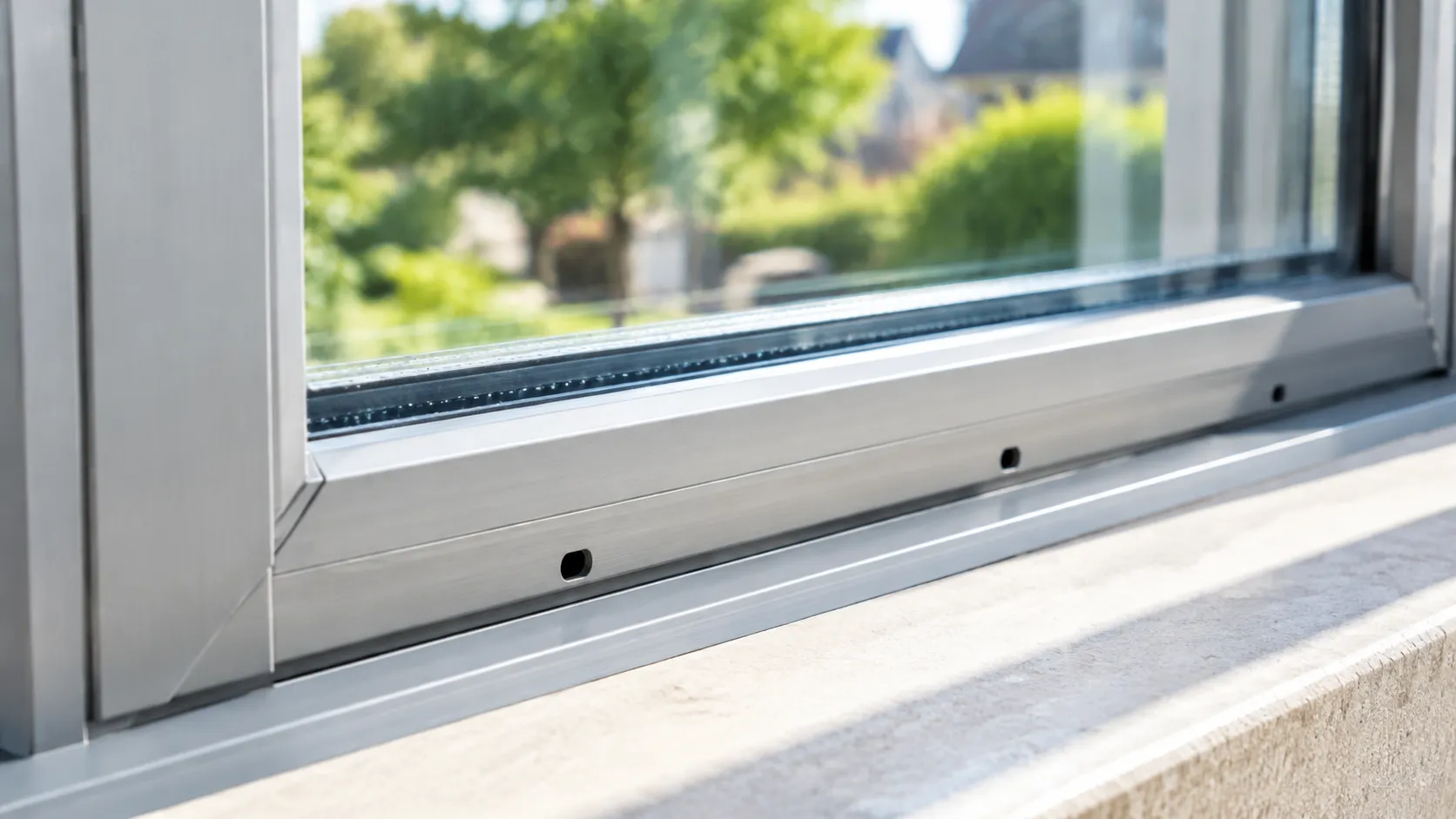
When standard repairs no longer stop water pooling on your sill, replacing your units is the smartest move. Modern aluminum storm windows offer engineered drainage paths that far outperform older designs.
Key Drainage Features to Look For
Not every replacement window handles runoff equally. Look for these essential specs before placing an order:
-
- Sloped sill designs: Gravity does the work. Frames with built-in pitch guide runoff toward exterior weep paths without standing water.
- Baffled aluminum frame weep hole covers: Built-in flaps or mesh deflectors let moisture escape while blocking insect nests and wind-driven rain blowback.
- Precision-punched drainage slots: Factory-cut channels provide cleaner water discharge than manually drilled openings.
- Thermal break integrations: Modern metal assemblies minimize winter interior condensation buildup that overworks drainage tracks.
Questions to Ask Your Fabricator or Supplier
Before finalizing specifications with a manufacturer, run through this quick checklist:
| Question to Ask | Why It Matters |
|---|---|
| Are weep holes routed or pre-punched into the bottom frame? | Cleanly machined slots resist burrs, clogs, and debris accumulation. |
| Does the bottom expander include factory drainage relief? | Avoids trapped water against exterior window sills after settling. |
| What barrier protection covers the drainage slots? | Keeps bugs, bees, and blowing grit out of the frame profile. |
| Can the profile match irregular historical openings? | Prevents frame racking that causes bottom track water backups. |
Custom Metal Options with Orient Juko Metal Art
Standard store-bought frames rarely match vintage openings or custom architectural depths. At Orient Juko Metal Art, we engineer custom metal profiles designed to resolve water control issues permanently. Through our custom architectural solutions, we fabricate heavy-gauge aluminum storm windows with integrated drainage channels, precision corner seals, and high-flow exterior weep pathways tailored directly to your building specs.
Seasonal Maintenance Tips for Aluminum Storm Windows
A predictable seasonal maintenance routine keeps your storm window drainage system working flawlessly year-round. Aluminum frames expand, contract, and collect environmental grit with every shift in the weather. We recommend performing these quick checks twice a year—once before autumn rains set in and once as winter transitions into spring—to protect your window sills from hidden moisture damage.
Prepping Before the Rainy Season
Heavy downpours test your exterior drainage immediately. If storm window drainage slots are clogged with summer dust, pollen, or insect nests, backed-up rainwater will quickly find its way onto your interior wooden sills.
-
- Clear the lower track: Vacuum out loose dust, spider webs, and dry debris using a crevice nozzle or a stiff utility brush.
- Flush the drainage path: Squirt warm water into the sill track to confirm it flows out freely through the exterior weep holes.
- Inspect the bottom sill gap: Ensure no stray exterior caulk or paint drips have sealed off the bottom drain opening.
- Check adjacent exterior openings: Just as we recommend checking thresholds on exterior pivot doors for smooth drainage before wet weather hits, verify that every window frame sheds runoff cleanly away from the foundation.
Winter Care to Prevent Freeze Damage
Trapped water combined with freezing temperatures creates major structural problems. When standing water freezes inside an aluminum track, it expands rapidly, warping the metal extrusions, breaking corner joints, or cracking adjacent glass panes.
-
- Prevent water buildup in window tracks: Clean out decaying organic matter in late fall so moisture does not sit trapped against the aluminum storm window weep holes when temperatures drop.
- Manage interior condensation drainage: Tighten the weatherstripping on your primary interior windows. Reducing warm indoor air leaks into the storm window pocket minimizes heavy frost and condensation buildup that overworks weep slots during winter thaws.
- Avoid aggressive de-icing tools: If weep slots freeze over, never chisel or hammer the ice away with screwdrivers or scrapers. You will bend the aluminum frame or chip the protective powder coating. Use warm water or a hair dryer on a low setting if emergency drainage is needed.
Post-Storm Inspection Steps
Always inspect your aluminum storm window frames right after severe weather events featuring driving rain, hail, or high-velocity winds.
-
- Look for standing water: Check the bottom window track within a few hours after a storm ends. Water should evacuate completely; if it remains pooled in the channel, the weep slots require immediate clearing.
- Clear debris blockages: High winds push fine twigs, wet leaves, and street grit against the exterior frame, often plastering right over the exterior window sill drainage openings.
- Inspect frame alignment: Ensure storm sashes remain fully seated in their operational tracks. Misaligned panes direct rain behind the storm unit instead of guiding it toward the bottom weep ports.
When to Call a Window Professional
Persistent Water Leaks Indoors
If you have thoroughly cleaned your weep holes and water still seeps past the interior sill or pools behind your drywall, the problem is no longer just a blocked track. Persistent interior moisture usually indicates:
Hidden Flashing Failures: Rainwater is slipping behind the storm window casing rather than entering the designated drainage channels.
Sub-Sill Rot: Moisture trapped over long periods may have rotted the underlying wood, creating gaps where water enters the wall cavity.
Failed Primary Seals: The storm unit cannot protect a failing primary window once the rough opening itself is compromised.
When storm window water leakage reaches interior finishes, professional diagnostic testing and re-flashing are essential to stop hidden mold and framing rot.
Severe Frame Corrosion or Structural Damage
Aluminum is exceptionally durable, but age and coastal salt air can cause severe oxidation, pitting, and frame distortion.
-
- Cracked or Warped Sills: If the bottom frame has warped upward, the aluminum storm window weep holes will sit above the water level, trapping standing water inside the track indefinitely.
- Seized or Crushed Tracks: Bent aluminum tracks pinch the drainage pathway shut, making safe unclogging impossible without cracking the metal.
- Rotted Fasteners: Rusted mounting screws allow the entire storm window to pull away from the blind stop, breaking the perimeter seal.
When the metal itself is warped or structurally compromised, repairing the drainage slots will not restore performance. Upgrading to engineered residential window solutions eliminates recurrent drainage failure by providing square, factory-calibrated frames built with integrated drainage channels.
High-Elevation or Difficult Window Access
Never compromise personal safety to clear a clogged exterior drain. Upper-story windows present serious hazards:
Second- and Third-Story Windows: Safely inspecting and snaking weep holes requires exterior ladder staging that is risky without professional safety rigs.
Overhangs and Obstructions: Windows situated above conservatory roofs, steep slopes, or delicate landscaping require specialized scaffolding to service properly.
Stuck or Frozen Storm Sashes: Forcing a stuck upper sash down from inside the home can shatter vintage glass or warp the retaining tracks.
Certified window contractors carry the equipment needed to service high-elevation openings safely, verify exterior window sill drainage, and reseal perimeter frames correctly.
Frequently Asked Questions About Aluminum Storm Windows Weep Holes
Are storm window weep holes supposed to be open?
Yes. Aluminum storm windows weep holes are engineered drainage openings, not manufacturing defects. They provide a direct escape path for condensation and wind-driven rain that bypasses the outer glass panels. If you obstruct them, trapped water settles against the primary sill, leading to rapid wood rot, peeling paint, and interior water damage.
Why is water coming through my storm window holes?
During severe storms, heavy wind-driven rain can push water toward the interior track before it drains. If the water empties outward onto the exterior sill within a few minutes, the drainage system is working properly. However, if water pools, overflows inward, or backs up behind the frame, you are dealing with:
Compacted debris clogging the drainage passage.
Negative sill pitch sloping back toward the house.
Intense wind gusts temporarily overcoming gravity-fed drainage.
Can I seal storm window weep holes with caulk?
No. Never apply caulk, silicone, or expanding foam over weep holes. Installers caulk the top and sides of a storm window frame, but the storm window installation bottom gap must stay completely clear. Sealing these slots turns your window track into an unintended reservoir, holding standing moisture against your home’s structural framing.
How do I unclog a storm window drain?
For fast, effective unclogging storm window drains, follow this straightforward process:
1. Clear exterior debris: Scrape away built-up paint, caulk, or dirt around the slot using a small utility blade or putty knife.
2. Probe the channel: Slide a flexible wire, pipe cleaner, or heavy-duty zip tie through the opening to dislodge compacted dirt, dead bugs, or spider webs.
3. Flush the track: Pour warm water directly into the inside track and verify that it flows freely through the drainage port onto the exterior sill.
Do all aluminum storm windows have weep holes?
Most factory-built aluminum storm windows include pre-punched weep slots along the bottom exterior rail. Some older or budget frames rely on an intentionally unsealed bottom mounting flange rather than routed slots. If your window lacks both, water cannot drain, and professional retrofitting or replacement is necessary to prevent structural rot.
Should I replace an aluminum storm window if it leaks?
Not immediately. If water backup is caused by blocked slots or deteriorated perimeter caulk, routine maintenance and cleaning window weep holes will resolve the leak.
Replacement is the smarter choice when:
The aluminum extrusion is warped, twisted, or bowed away from the blind stop.
Severe galvanic corrosion has pitted the frame metal and frozen the operating sashes.
The sill or framing beneath has failed and requires modern, integrated moisture-shedding upgrades—much like the heavy-duty water barrier systems we engineer for high-performance exterior aluminum doors and custom architectural fixtures.